Review
Samsung Galaxy Z Fold8
At a glance
A compact book-style foldable built around a short, wide cover screen and a roughly 4:3 inner display.
Reading, documents, retro gaming, side-by-side apps and anyone who wants a genuinely pocketable mini tablet.
Camera-first buyers, heavy stylus users, or anyone who depends on Flex Mode and sustained high-performance workloads.
Score
Key specs
- Cover display 5.5-inch, 16:10, adaptive refresh rate up to 120Hz
- Inner display 7.6-inch, roughly 4:3, adaptive refresh rate up to 120Hz, up to 3,000 nits
- Processor Snapdragon 8 Elite Gen 5
- Rear cameras 50MP main, 50MP ultrawide
- Battery 4,800mAh
- Wired charging 45W
- Weight 201g
- Thickness 9.7mm folded, 4.5mm unfolded
- Ingress protection IP48 water resistance and limited particle ingress protection
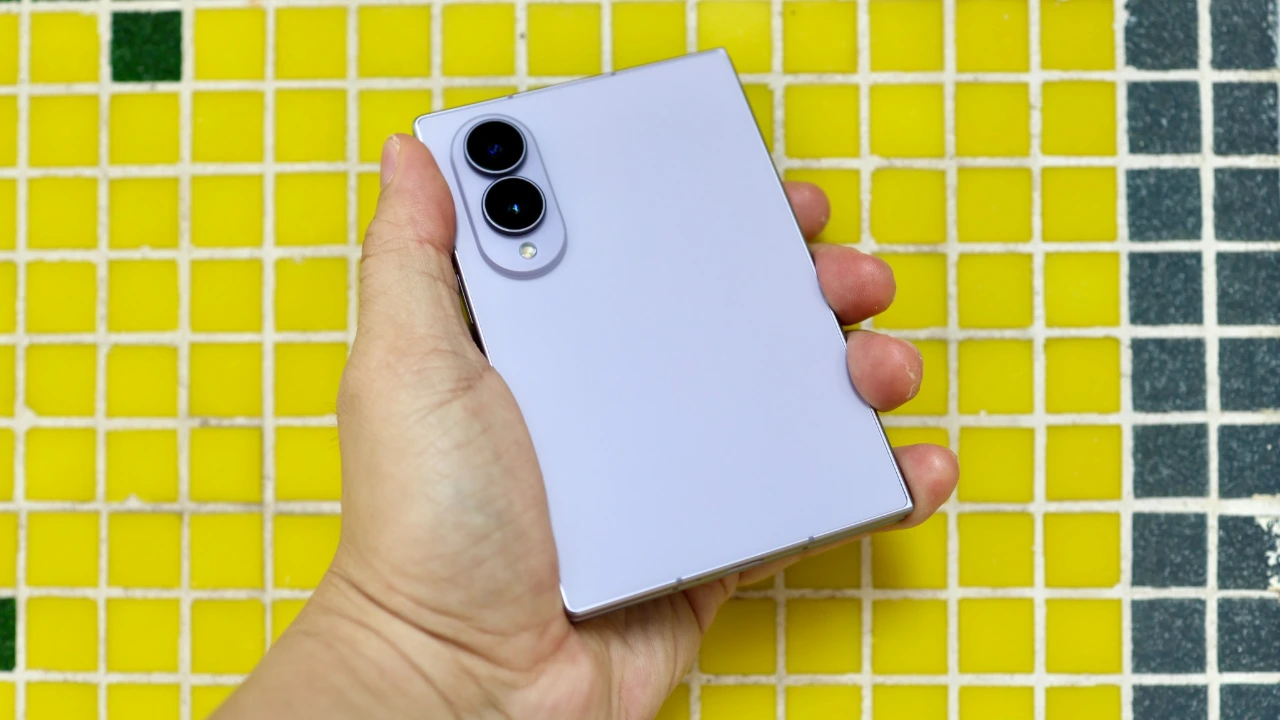
Of Samsung’s three foldables this year, the Galaxy Z Fold8 may be its biggest gamble. The Fold8 is a palm-sized phone that opens into a mini tablet, yet weighs less than many conventional flagships.
In essence, the phone has a short, wide 5.5-inch cover display (16:10) that opens into a 7.6-inch inner screen (roughly 4:3), squeezed into a body that weighs 201g, measures 9.7mm thick when closed and just 4.5mm unfolded.
Even so, the Fold8 offers IP48 water resistance and limited protection against fine-particle ingress, uses reinforced aluminium around the frame, tougher glass on the outside, and a revised support structure beneath the flexible display.
Alongside the Flip and Fold Ultra, this gives Samsung three distinct foldable propositions. That leads us to the million-dollar question: is the Fold8’s compact tablet format actually better for what you do every day?
The screen is the product
While the Ultra gets the headline hardware, the Fold8’s displays are still excellent. Both support adaptive refresh rates up to 120Hz, while the inner panel reaches up to 3,000 nits and gets improved anti-reflective treatment.
The flexible display feels stiff, and the hinge snaps into position with a positive, reassuring authority. Extra points here, as it makes the Fold8 feel extremely robust. The ‘crease’ is nearly invisible — you only notice it because, ironically, the support structure pushes against the screen, and the drop in tension along the hinge hints at where the support ends.
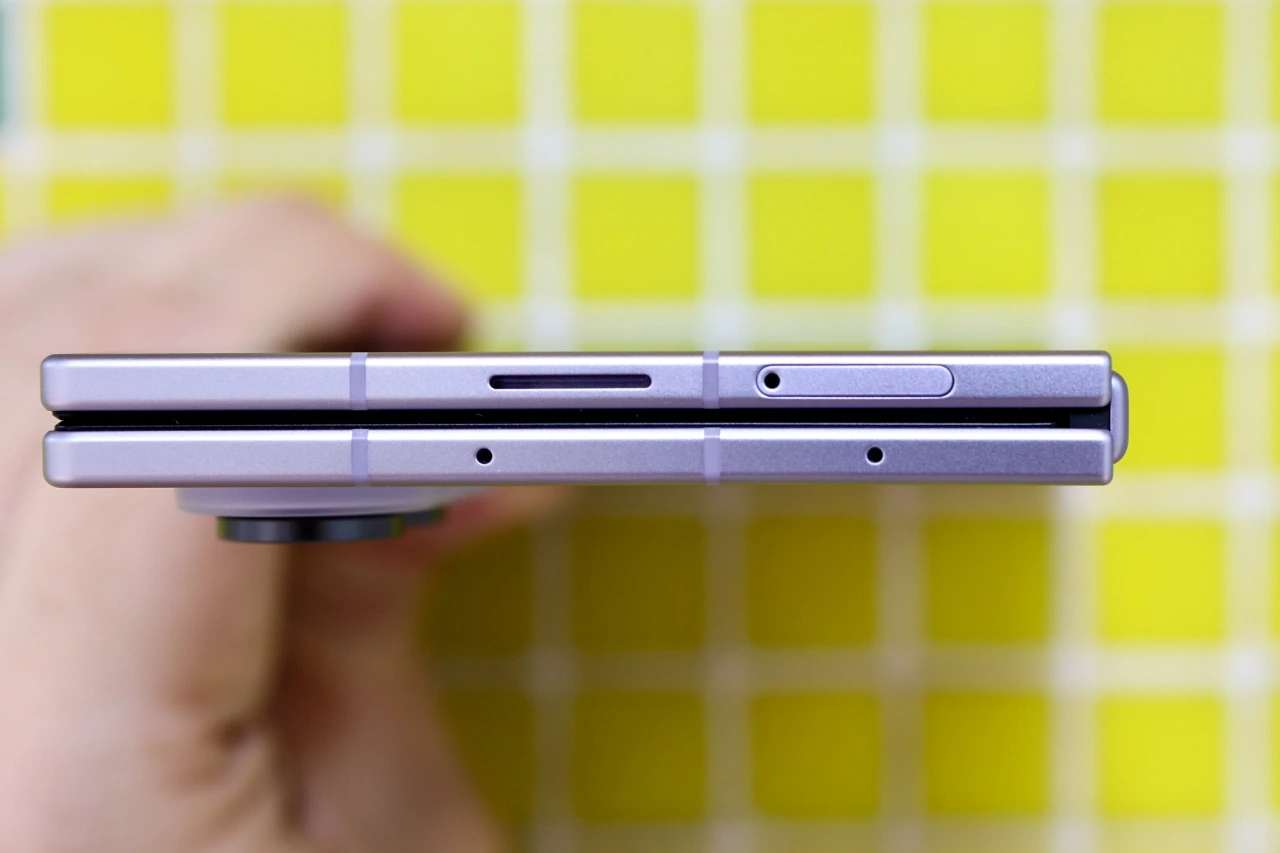
The Fold8 is slim even when folded.
When 4:3 works, it really works
The ‘traditional’ tablet dimensions make the Fold8 perfect for reading. Rotate it into portrait mode, and books, PDFs, magazines, comics, and manga are far more comfortable to read, even on the move. Its balance also makes one-handed reading feel far less precarious than on most small tablets.
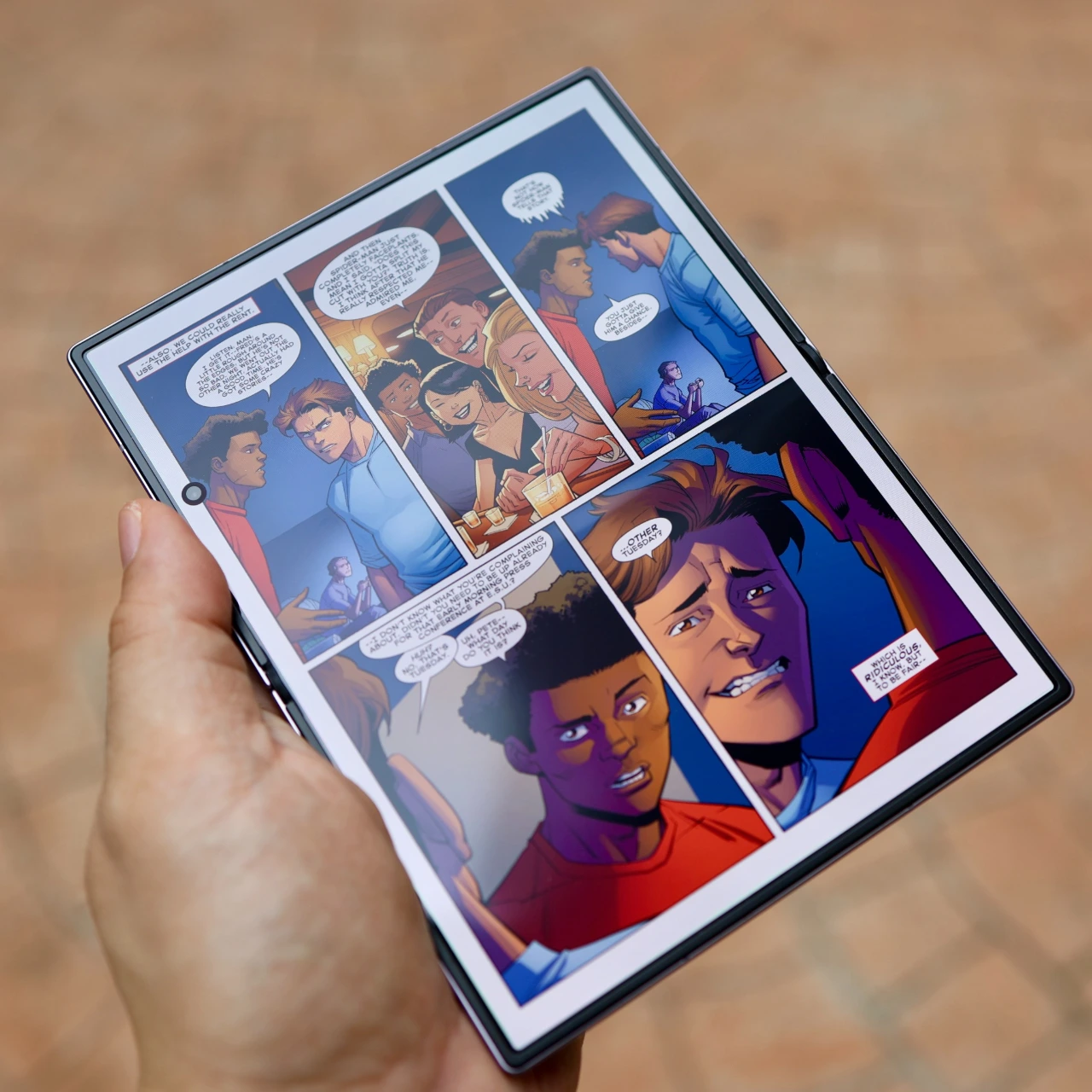
Perfectly sized for comics.
When folded, the cover screen can be surprisingly useful too. It is small by current standards, but if your eyesight permits, it’s another viable option for reading while on the go. 16:9 videos are also more pleasing to the eye, with less prominent black borders than the Ultra’s squarish displays.
Games benefit in less obvious ways — it’s pretty much like gaming on a tablet, but because it’s so small, it is far more wieldable. With a Snapdragon 8 Elite Gen 5, performance is rarely a concern, though sustained heavy loads can expose its limited thermal headroom.
And if you are into retro gaming, the 4:3 dimensions are close to perfect. You can even emulate a Nintendo 3DS-style dual-screen setup. The catch is that the hinge only really wants to be fully open or fully closed.
Putting aside any argument about the viability of running multiple apps side by side on a foldable display for productivity, the Fold8 does well with two — both remain sensibly proportioned instead of becoming narrow phone windows. The taskbar makes switching between them easy, while Multi Window can push things further with three simultaneous apps, though I don’t know why you would…
Android still remembers that it grew up on tall phones
However, apps like Instagram are still designed around a long vertical canvas, so some compromise is to be expected. The upside is that the resulting blank spaces are rarely jarring.
What is more distracting is the keyboard occupying nearly half the cover screen. The Fold8 is wide, but also short. So not only is the default keyboard hilariously big, but the wide display also makes one-handed typing tricky. It’s almost BlackBerry-ish, for those who remember, and in some ways the experience does feel somewhat similar.
The display proportions also make the phone reminiscent of some high-end digital audio players (DAPs), so if that’s your thing, the Fold8 feels right at home, provided your app layout supports the phone’s unique dimensions.
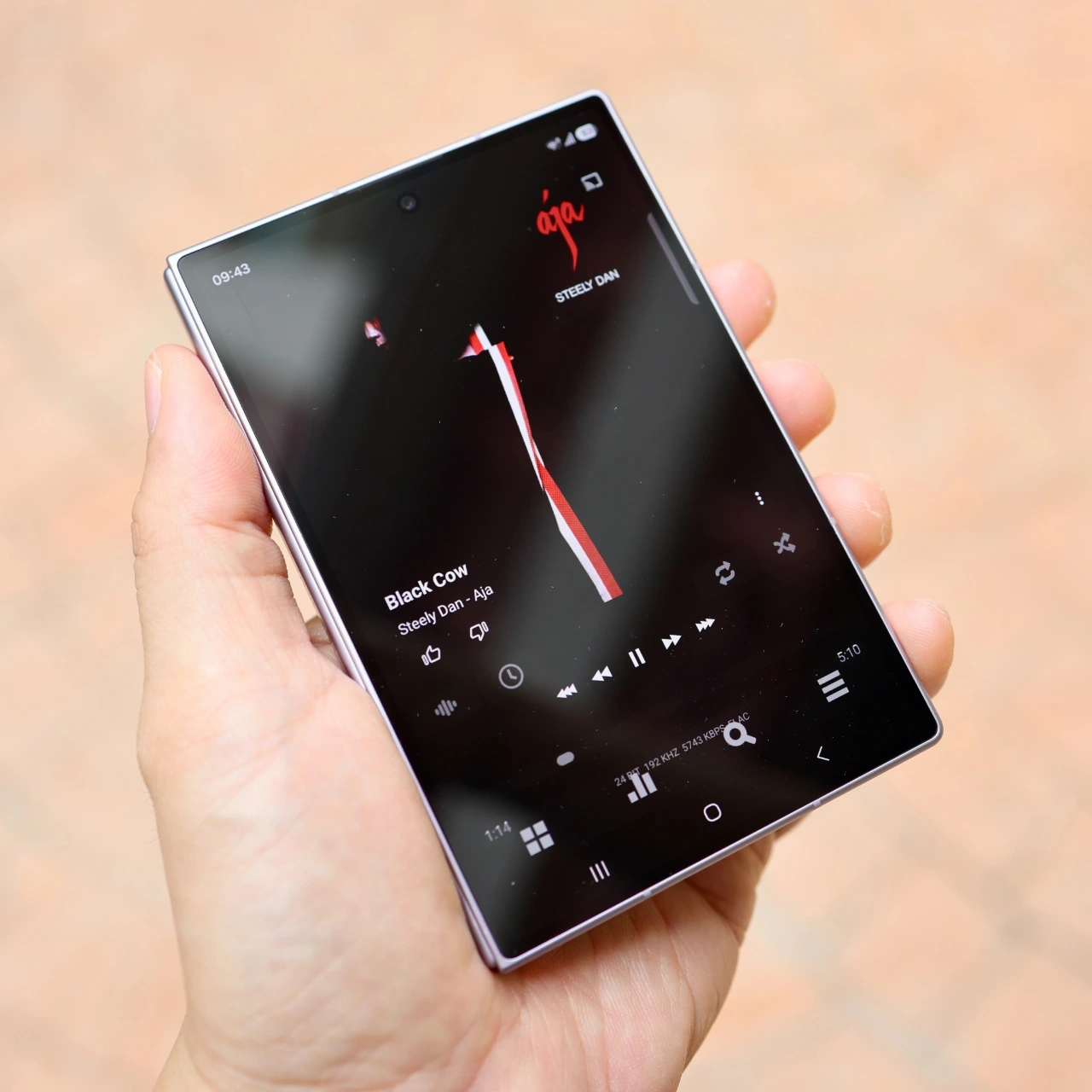
Looks like a premium DAP, as long as your app supports this layout.
Some sacrifices, but worth it
Like other folding phones, the Fold8 comes with compromises. The camera system is the most noticeable: Samsung drops the telephoto module in favour of a 50MP main camera and 50MP ultrawide, relying on a 2x sensor crop and digital zoom beyond that.
It is an understandable trade-off in Samsung’s pursuit of thinness, though not unavoidable. Nothing to shout about image quality-wise, but the two 50MP sensors at least keep the wide and ultrawide reasonably consistent in detail and colour. In my opinion, this beats a super-pristine wide-angle camera paired with a ‘potato’ ultrawide, which makes transitions jarring.
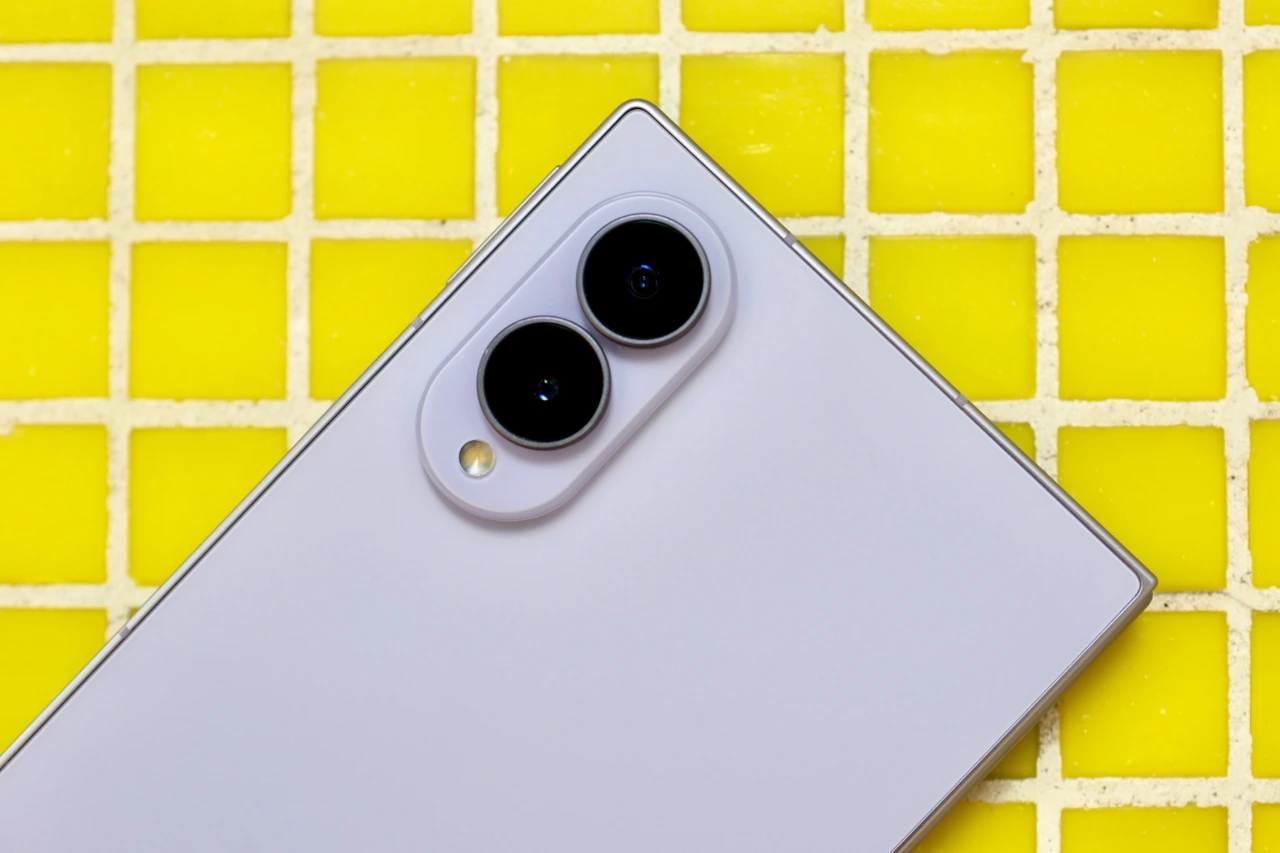
Only two cameras, but the image quality is consistently decent on both.
While you don’t get Flex Mode for half-folded use, you do get Dual Recording, which can capture the subject and the person filming at the same time. My FanCam can also automatically track and reframe a chosen subject. It is reliable for the most part, though it may occasionally lag a little.
It also doesn’t support the S Pen, and that’s fine. Given how compact the phone is, a stylus feels slightly at odds with the concept, and you couldn’t store it in the phone anyway.
Thinness has consequences
As mentioned earlier, the phone can get rather hot, which is one of the trade-offs for something this small, thin and light. Push it hard for sustained periods, and the phone can become noticeably warm. The upside is that most of the time, it stays reasonably cool.
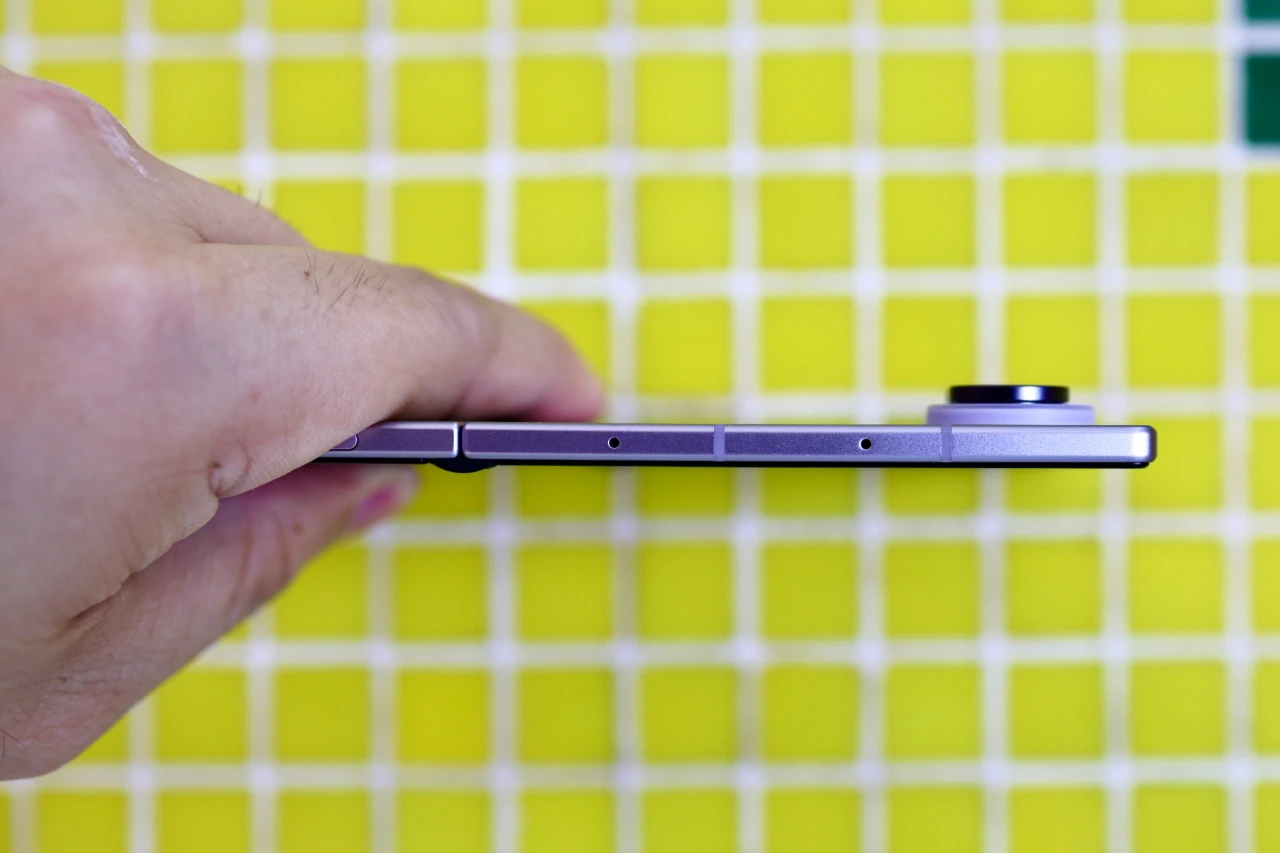
The slim form factor and weight make perfect for reading on the go.
Samsung also squeezed in a 4,800mAh battery, which is enough for a day’s use. Samsung phones aren’t known for charging speeds, but this generation’s foldables support 45W wired charging and 20W wireless charging. While unremarkable by current standards, it still means you can replenish roughly half the battery in 20-odd minutes.
Also note that the phone itself has no magnetic alignment system, so you need a compatible case.
So is 4:3 actually better?
Foldables are essentially exercises in compromise, and the Fold8 simply chooses a different set — fewer camera options, no S Pen or Flex Mode, and less thermal headroom than a larger device.
What you get in return is a very purpose-driven form factor: just the right size in your hands as a mini tablet, comfortably light, and extremely well put together.
It all boils down to one question: does 4:3 actually make your day-to-day life better?
If your Fold spends its time on books, web pages, documents, maps, photos, games and two apps at once, the Fold8’s proportions are nothing short of inspired.
*UPDATE: First published with scorecard built on an outdated table and data, which also resulted in conflicting scores. Apologies for the error.
Verdict
Samsung Galaxy Z Fold8
The Galaxy Z Fold8 makes a convincing case that serving a purpose can matter more than winning a spec race. Its 4:3 inner display is excellent for reading, games and multitasking, while the 201g body makes it a practical mini-tablet. The trade-offs — camera reach, Flex Mode, S Pen support and limited thermal headroom — keep it from being an obvious choice for everyone, but few foldables feel quite this purpose-built.
- Pros Excellent 4:3 inner display, remarkably light and thin, satisfying build quality, useful cover screen.
- Caveats No telephoto camera, S Pen support or Flex Mode, gets hot when pushed hard, odd cover screen layout on some apps.