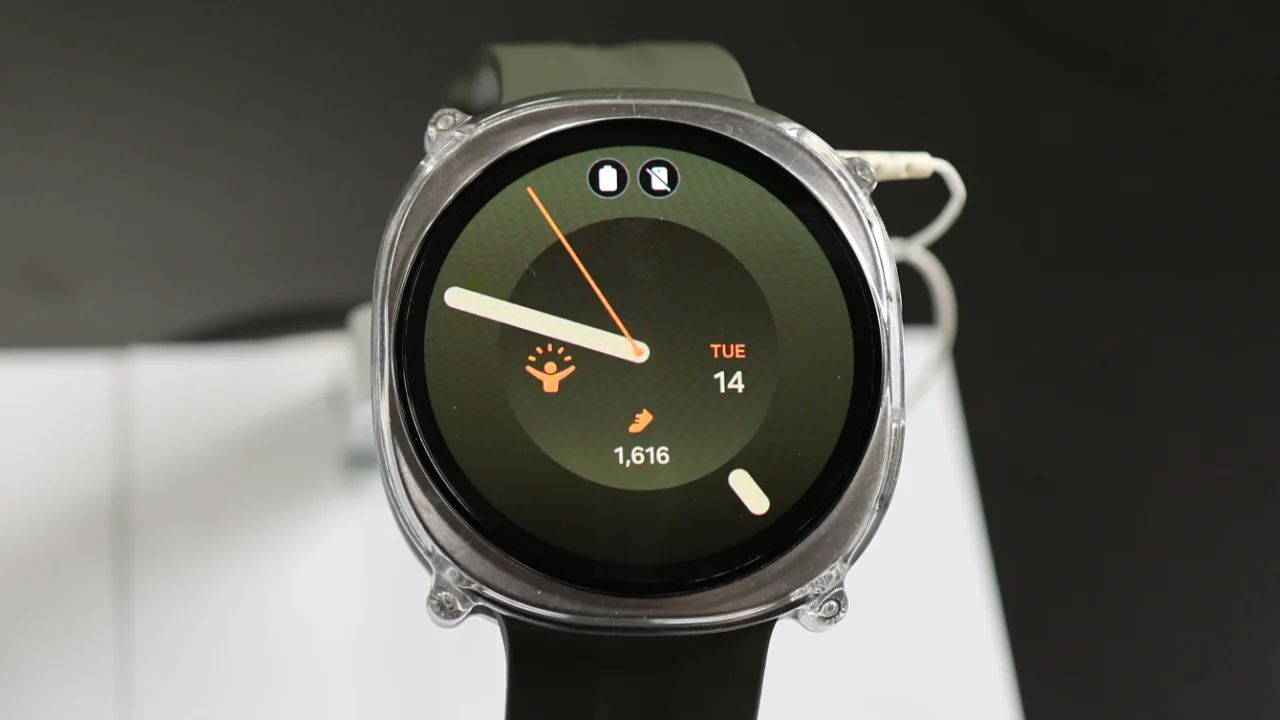
The aim of most smartwatches is to turn health data into useful guidance, and the Samsung Galaxy Watch9 is no different. Samsung’s latest extends the same idea with Vitals, Heart Health Score, Daily Cardio Load and Fitness Index rather than one obvious category-changing feature.
More ways to summarise your health
Vitals establishes a personal baseline from overnight data and alerts users to significant deviations. Heart Health Score combines cardiovascular and lifestyle information into a single score with personalised recommendations, while Daily Cardio Load relates workout volume to estimated recovery needs.
Fitness Index uses body composition, VO2 Max and activity data to provide a broader view of physical strength and suggest goals. Hearing tools can also warn users about unsafe noise levels and generate reports.
Health data evaluation features generally need time and consistent wear before you can derive any meaningful insights. Vitals requires at least seven nights of sleep data. Heart Health Score begins with a 24-hour setup period, while Daily Cardio Load needs seven days of activity records and recommends 28 days of continuous wear for optimal accuracy.
At this point, it is prudent to remind ourselves that while smartwatch health features have improved considerably over the years, they are still best used for wellness guidance rather than diagnosis.
A larger battery, but the same quoted endurance
The 40mm Watch9 receives the more significant battery upgrade, going from 325mAh on the Watch8 to 390mAh. The 44mm model gets a more modest bump to a 445mAh battery (from 435mAh).
Despite those increases and the switch to Qualcomm’s new five-core, 3nm Snapdragon Wear Elite platform, Samsung still rates both sizes for up to 30 hours with the always-on display enabled, similar to its predecessor.
Much of the hardware remains familiar
The Watch9 keeps the aluminium cushion-shaped case introduced with the Watch8. Both generations are 8.6mm thick, while the display sizes, resolutions and 3,000-nit peak brightness are unchanged.
The 44mm model remains 34g. The 40mm version rises from 30g to 31.5g, although Samsung says the revised fit and softer bands are intended to improve comfort and stability for continuous wear.
Memory and storage remain at 2GB and 32GB. Both models include dual-frequency GPS and are offered with Bluetooth or LTE connectivity.
Galaxy Watch9 price and availability in Singapore
In short, the Watch9 is an incremental update that adds more ways to interpret health data without materially changing the charging rhythm or physical design.
The Galaxy Watch9 40mm costs SGD 518 with Bluetooth or SGD 618 with LTE, in Graphite or Cream. The 44mm model costs SGD 568 with Bluetooth or SGD 668 with LTE, in Graphite or Silver.
Pre-orders open on 22 July 2026 at 9 pm through Samsung and participating retailers. Telco pre-orders begin on 4 August, and general sales start on 14 August 2026.
Customers who pre-order can receive 10% off each Watch9 when it is bought with any Galaxy smartphone or tablet in the same transaction, while stocks last.