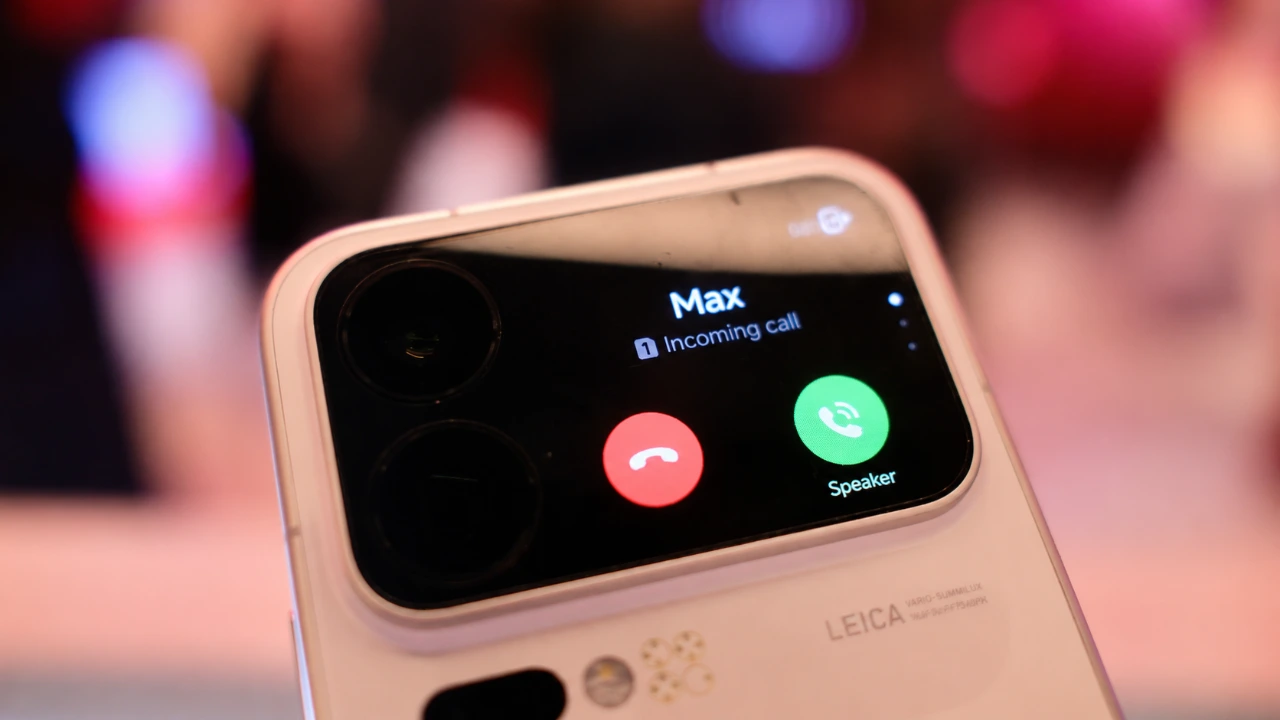
Smartphone camera islands have become so large — out of necessity to fit lenses — that the unused real estate is practically calling out for a second job. Xiaomi has taken that idea rather literally, turning the space around its rear cameras into a functional display. While it’s not entirely necessary, it’s considerably more useful — and entertaining — than you might expect.
The Xiaomi 18 Pro and 18 Pro Max mark the second generation of Xiaomi’s revived rear-display concept, and its first official appearance in Singapore, starting at SGD 1,799 and SGD 2,099, respectively, before promotional discounts. Both have dual 200MP Leica cameras, Qualcomm’s latest Snapdragon processors and unusually large batteries. There’s plenty of serious hardware here, even if the second screen is what gets people talking.
Highlights
A second screen with a purpose
The rear display is the main attraction, but both phones back it up with dual 200MP Leica cameras, flagship processors and substantial silicon-carbon batteries.
- Rear display
- 2.7 / 2.9 inches
- Main camera
- 200MP Leica
- Telephoto
- 200MP, 75mm
- Processor
- Snapdragon 8 Elite Gen 6 / Extreme
- Battery
- 6,000 / 7,050mAh
- Wired charging
- 90W / 100W
A second screen that does more than look cute
The idea isn’t new — the Mi 11 Ultra had a small rear screen in 2021, while last year’s China-only 17 Pro series turned the concept into something more substantial. The 17 Pro equally drew criticism and praise for its resemblance to Apple’s flagship, albeit with a more innovative camera island.
The 18 Pro series continues that approach with interactive OLED displays built around the rear cameras. The Pro gets a 2.7-inch screen, while the Pro Max has a 2.9-inch panel.

Animated characters bring a playful side to the rear display.
Both can display notifications, music controls, timers, personalised wallpapers and other information. Animated characters and GenAI mini-apps (AI-generated) provide more entertaining distractions, should your phone’s main screen somehow be insufficient.
Xiaomi’s GenAI Apps feature uses Google’s Gemini 4 Argon to create mini-apps for the rear display simply by describing what you want, without writing code. It offers over 50 presets as starting points, ranging from practical tools to mini-games, although the generated apps currently have limited access to other phone functions and apps. It’s an intriguing way to make a second screen more useful without waiting for developers to support it.
None of these tasks requires — or justifies — a second screen, but being able to check something quickly without turning the phone around has its conveniences.
The rear screen also doubles as a viewfinder for selfies and videos, letting you use the more versatile rear cameras while keeping yourself in view. Both phones already have capable 50MP autofocus front cameras, but it’s good to have the option.
Flip-foldables offer a similar trick with larger cover screens; Xiaomi gives you some of that convenience without needing a hinge. That said, it’s better suited for checking faces and approximate framing, given its small size.
The rear screen also supports face-to-face translation, displaying conversations to people on opposite sides of the handset. Xiaomi has also confirmed upcoming rear-display support for Google Maps navigation, Spotify and YouTube Music controls, Gemini Live and Trip.com travel updates.
AI Group Photo Wallpapers, which lets users create composite portraits for the rear display, is scheduled to roll out with a December 2026 software update.
Dual 200MP cameras, but these aren’t Xiaomi’s Ultra phones
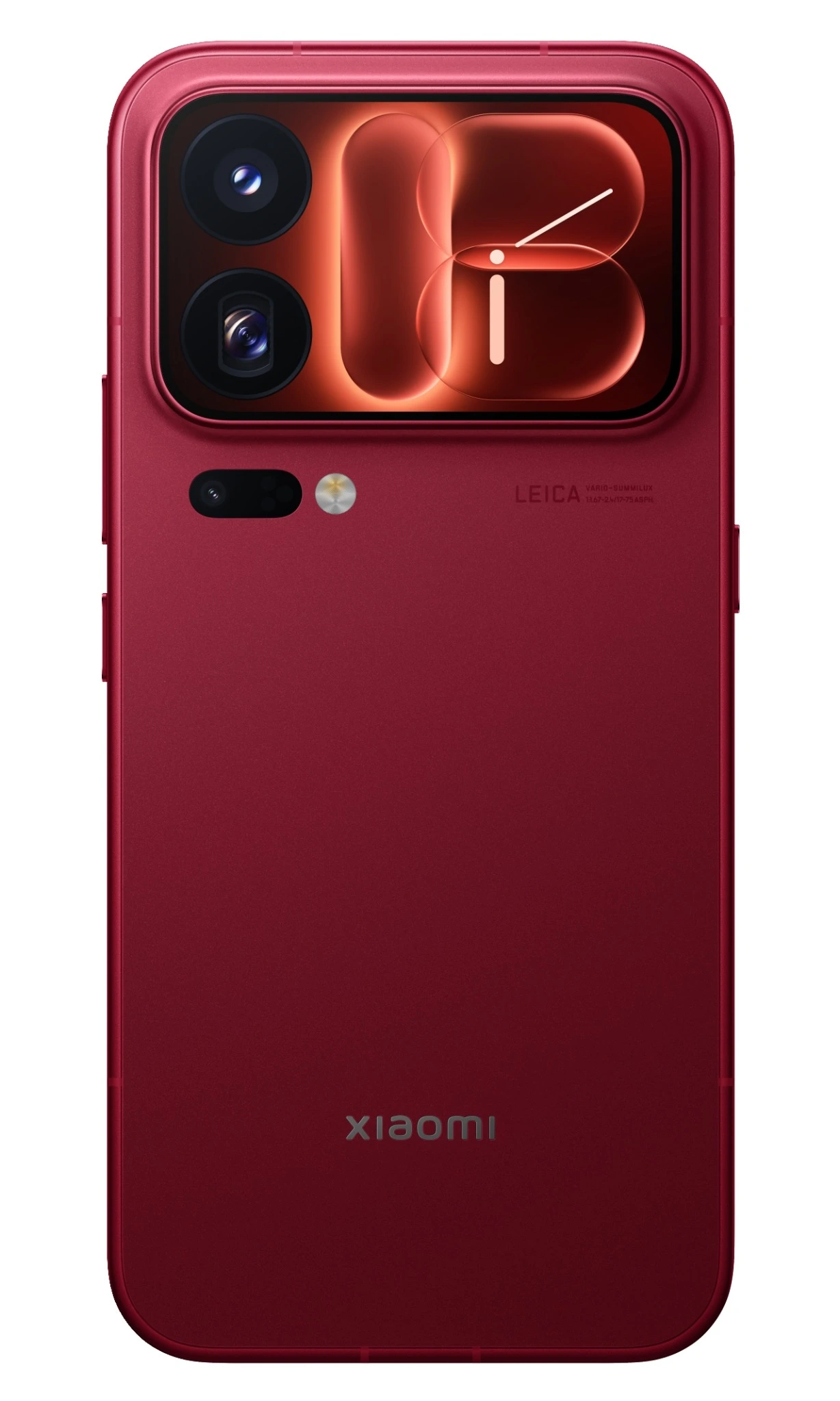
Xiaomi 18 Pro Max in Velvet Red, showing the Leica camera system and rear display. Xiaomi
Both models feature a 23mm, 200MP main camera and a 75mm, 200MP telephoto, both developed with Leica, alongside a 17mm, 50MP ultrawide.
The telephoto has a 75mm-equivalent focal length and can focus as close as 12cm, making it useful for portraits, detail shots and telephoto macro photography.
Its shorter native focal length offers less optical reach than the previous generation’s 115mm telephoto, although the higher resolution provides more flexibility for cropping.
The Pro Max also gets a more sophisticated main sensor. Both use 1/1.28-inch sensors, but the regular Pro’s Light Fusion 960 is replaced by the Light Fusion 960L with LOFIC HDR on the Max. The technology is designed to preserve detail in scenes with strong contrasts between light and shadow, such as a backlit portrait where the subject’s face might otherwise be lost against a bright background.
This differentiates the Pro series from Xiaomi’s photography-focused Ultra models, which feature more specialised camera hardware, including 1-inch-class main sensors.
Latest Snapdragon power and a new privacy display
Early adopters will note that both phones feature Qualcomm’s latest 2nm flagship chips, which use a new transistor design that reduces power leakage, allowing more performance without a corresponding increase in power consumption.
The Xiaomi 18 Pro runs the Snapdragon 8 Elite Gen 6, while the Pro Max gets the higher-end Snapdragon 8 Elite Extreme Gen 6. The Extreme variant offers more headroom for graphics and AI processing, though the difference will likely only matter in demanding games and AI workloads.
Both phones also feature Xiaomi Privacy Display, which uses dedicated privacy pixels with narrower viewing angles to make the screen harder to read from the sides; it can also be applied selectively to apps and notifications. This could be handy for checking sensitive information in public, although its effectiveness depends on the angle from which someone is looking.
A customisable AI Button on the side provides quick access to Privacy Mode or other features such as translation and voice notes.
Pro or Pro Max: what does the extra SGD 300 buy?
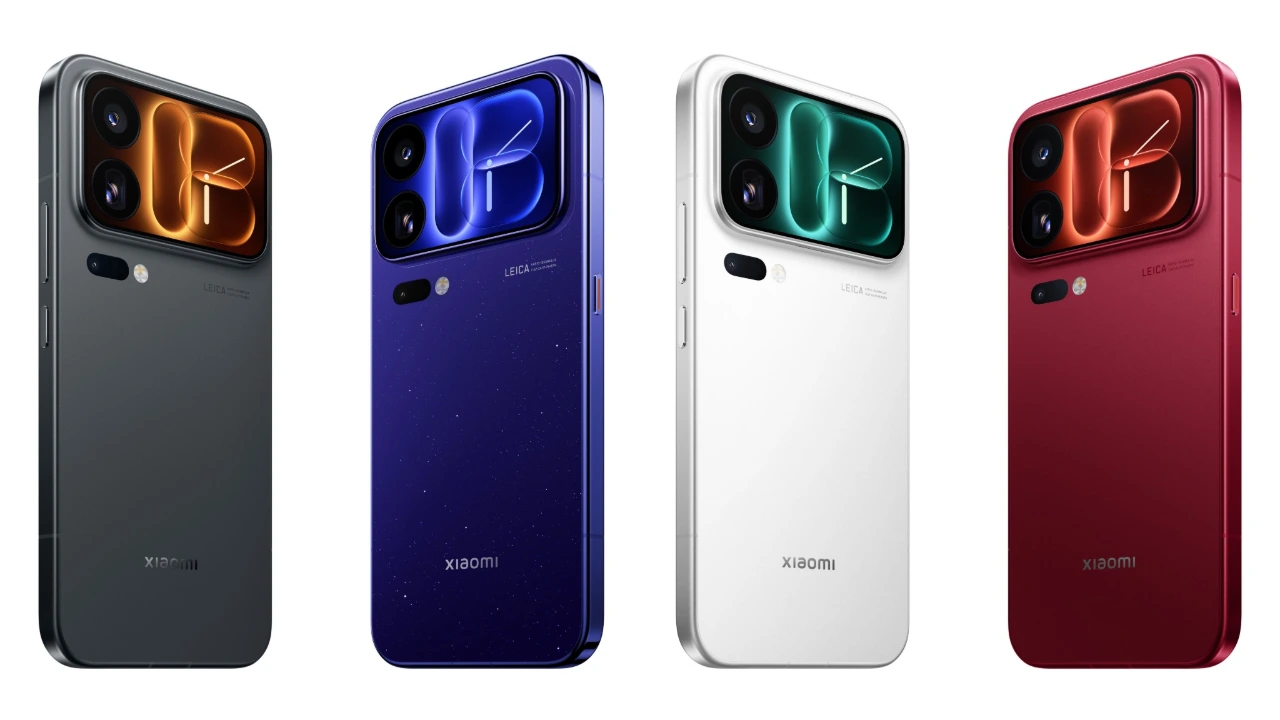
Xiaomi 18 Pro Max in four finishes, shown at an angle.
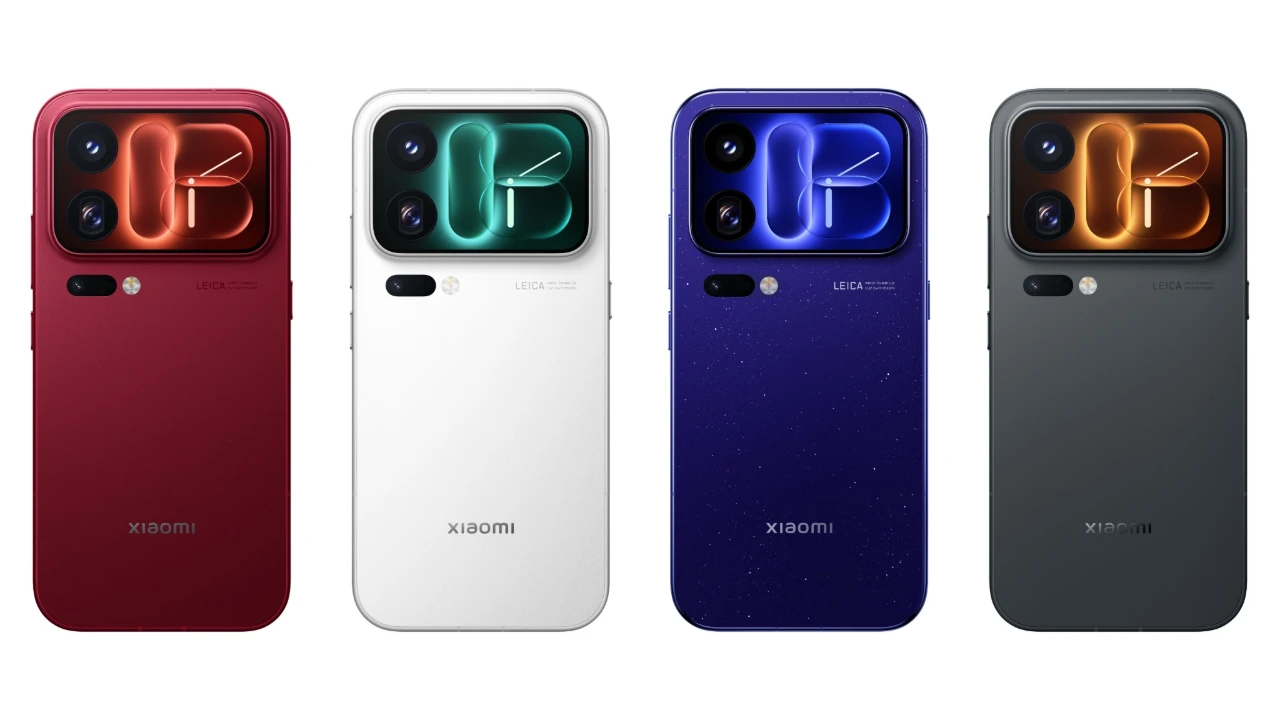
The Xiaomi 18 Pro colour line-up.
The regular Pro retains most of the series’ defining features. The Max adds a larger display and battery, the Extreme processor and LOFIC HDR on its main camera.
Both use silicon-carbon batteries, with capacities of 6,000mAh and 7,050 mAh, respectively. The regular Pro looks like the better-value choice for most buyers: it retains the rear display, dual 200MP cameras and privacy features, while offering flagship performance and a substantial battery in a more manageable 6.4-inch body.
The Pro Max makes a stronger case for those who prioritise screen size, battery capacity and photography. For an additional SGD 300, it offers a 6.9-inch display, 1,050mAh more battery capacity, the faster Extreme processor and a main camera with LOFIC HDR for challenging lighting.
The upgrade makes sense for heavier users or those who want Xiaomi’s more advanced camera hardware without stepping up to an Ultra model. On paper, though, none of these upgrades is essential to enjoying what makes this series distinctive.
The rear screen won’t transform how most people use their phones. But being able to take selfies with the rear cameras, glance at useful information or simply enjoy a little animated nonsense makes a surprisingly persuasive case for having one.
Specification | Xiaomi 18 Pro | Xiaomi 18 Pro Max |
|---|---|---|
Main display | 6.4-inch OLED | 6.9-inch OLED |
Rear display | 2.7-inch OLED | 2.9-inch OLED |
Processor | Snapdragon 8 Elite Gen 6 | Snapdragon 8 Elite Extreme Gen 6 |
Main camera | 200MP, Light Fusion 960 | 200MP, Light Fusion 960L with LOFIC HDR |
Telephoto | 200MP, 75mm | 200MP, 75mm |
Ultrawide | 50MP | 50MP |
Battery (Singapore) | 6,000mAh | 7,050mAh |
Wired / wireless charging | 90W / 50W | 100W / 50W |
Privacy Display | Yes | Yes |
Starting RRP | SGD 1,799 | SGD 2,099 |
Singapore prices and availability
Pre-orders run from 18 to 23 November 2026, with a promotional discount of SGD 200. A SGD 100 discount applies from 24 November to 27 December. Purchases through Xiaomi’s website or Mi app require buyers to claim the relevant coupon.
All configurations come with 12GB of RAM. The 18 Pro 256GB is exclusive to Xiaomi’s website and Xiaomi Stores, while other configurations are also available through participating retailers, Shopee and Lazada.
Model | RRP | 18–23 Nov | 24 Nov–27 Dec |
|---|---|---|---|
18 Pro 256GB | SGD 1,799 | SGD 1,599 | SGD 1,699 |
18 Pro 512GB | SGD 1,999 | SGD 1,799 | SGD 1,899 |
18 Pro Max 256GB | SGD 2,099 | SGD 1,899 | SGD 1,999 |
18 Pro Max 512GB | SGD 2,299 | SGD 2,099 | SGD 2,199 |
Launch-period buyers can choose a magnetic power bank and case bundle, Xiaomi Portable Photo Printer Pro or Xiaomi Watch S5, subject to availability. Mi.com and Mi app buyers must redeem the case separately for S$0.10 using a coupon issued eight days after delivery, while Xiaomi Store customers can opt for a trade-up rebate instead.
Both phones come with a two-year warranty and international servicing at participating Xiaomi service centres. Buyers who purchase by 27 December 2026 also receive one complimentary screen replacement within 12 months, while those purchasing from 28 December 2026 to 20 November 2027 get a six-month window instead.
Full specifications
Xiaomi 18 Pro vs Xiaomi 18 Pro Max
| Xiaomi 18 Pro | Xiaomi 18 Pro Max | |
|---|---|---|
| Model | Xiaomi 18 Pro | Xiaomi 18 Pro Max |
| Operating system | Xiaomi HyperOS 4 | Xiaomi HyperOS 4 |
| Chipset | Snapdragon 8 Elite Gen 6 (TSMC 2nm) | Snapdragon 8 Elite Extreme Gen 6 (TSMC 2nm) |
| Memory and storage | 12GB LPDDR5X; 256GB / 512GB UFS 4.1 | 12GB LPDDR5X; 256GB / 512GB UFS 4.1 |
| Main screen | 6.4-inch M11 LTPO AMOLED, Xiaomi HyperRGB 2.0 | 6.9-inch M11 LTPO AMOLED, Xiaomi HyperRGB 2.0 |
| Main resolution | 2436 × 1120 | 2624 × 1208 |
| Main refresh rate | 1–120Hz LTPO | 1–120Hz LTPO |
| Main brightness | Up to 4,000 nits (multi-scenario peak) | Up to 4,000 nits (multi-scenario peak) |
| Main display protection | Xiaomi Shield Glass 3.0 | Xiaomi Shield Glass 3.0 |
| Main display features | 12-bit, BT.2020, HDR10+, Dolby Vision, Xiaomi Privacy Display | 12-bit, BT.2020, HDR10+, Dolby Vision, Xiaomi Privacy Display |
| Rear display | 2.7-inch M11 LTPO AMOLED; 912 × 596; 400ppi | 2.9-inch M11 LTPO AMOLED; 976 × 596; 400ppi |
| Rear refresh / brightness | 1–120Hz; up to 4,000 nits | 1–120Hz; up to 4,000 nits |
| Rear display protection | Corning Gorilla Glass Victus 2 | Corning Gorilla Glass Victus 2 |
| Main camera | 200MP, 23mm Leica; 1/1.28-inch Light Fusion 960; f/1.67; OIS | 200MP, 23mm Leica; 1/1.28-inch Light Fusion 960L; f/1.67; OIS; LOFIC HDR |
| Telephoto camera | 200MP, 75mm Leica; 1/1.56-inch Samsung HP5; f/2.4; OIS | 200MP, 75mm Leica; 1/1.56-inch Samsung HP5; f/2.4; OIS |
| Ultrawide camera | 50MP, 17mm Leica; 1/2.87-inch OmniVision OV51D; f/2.4; EIS | 50MP, 17mm Leica; 1/2.87-inch OmniVision OV51D; f/2.4; EIS |
| Front camera | 50MP, 21mm autofocus; 1/2.87-inch OmniVision OV51D; f/2.2 | 50MP, 21mm autofocus; 1/2.87-inch OmniVision OV51D; f/2.2 |
| Battery | 6,000mAh (typical), silicon-carbon | 7,050mAh (typical), silicon-carbon |
| Wired charging | 90W HyperCharge | 100W HyperCharge |
| Wireless charging | 50W HyperCharge | 50W HyperCharge |
| Reverse charging | Wired and wireless | Wired and wireless |
| Cooling | Xiaomi 3D IceLoop | Xiaomi 3D IceLoop |
| Speakers | Dual stereo | Triple stereo |
| Fingerprint / unlock | Ultrasonic in-screen; AI face unlock | Ultrasonic in-screen; AI face unlock |
| Haptics | 751440 linear motor | 0916C CyberEngine linear motor |
| Water and dust resistance | IP68 | IP68 |
| Dimensions (standard colours) | 151.8 × 72 × 8.46mm | 163.39 × 77.6 × 8.39mm |
| Dimensions (Cosmic Blue) | 151.8 × 72 × 8.56mm | 163.39 × 77.6 × 8.47mm |
| Weight (standard colours) | 198g | 229g |
| Weight (Cosmic Blue) | 203g | 234g |
| Colours | Black, White, Velvet Red, Cosmic Blue | Black, White, Velvet Red, Cosmic Blue |
| Singapore RRP (256GB) | SGD 1,799 | SGD 2,099 |
| Singapore RRP (512GB) | SGD 1,999 | SGD 2,299 |