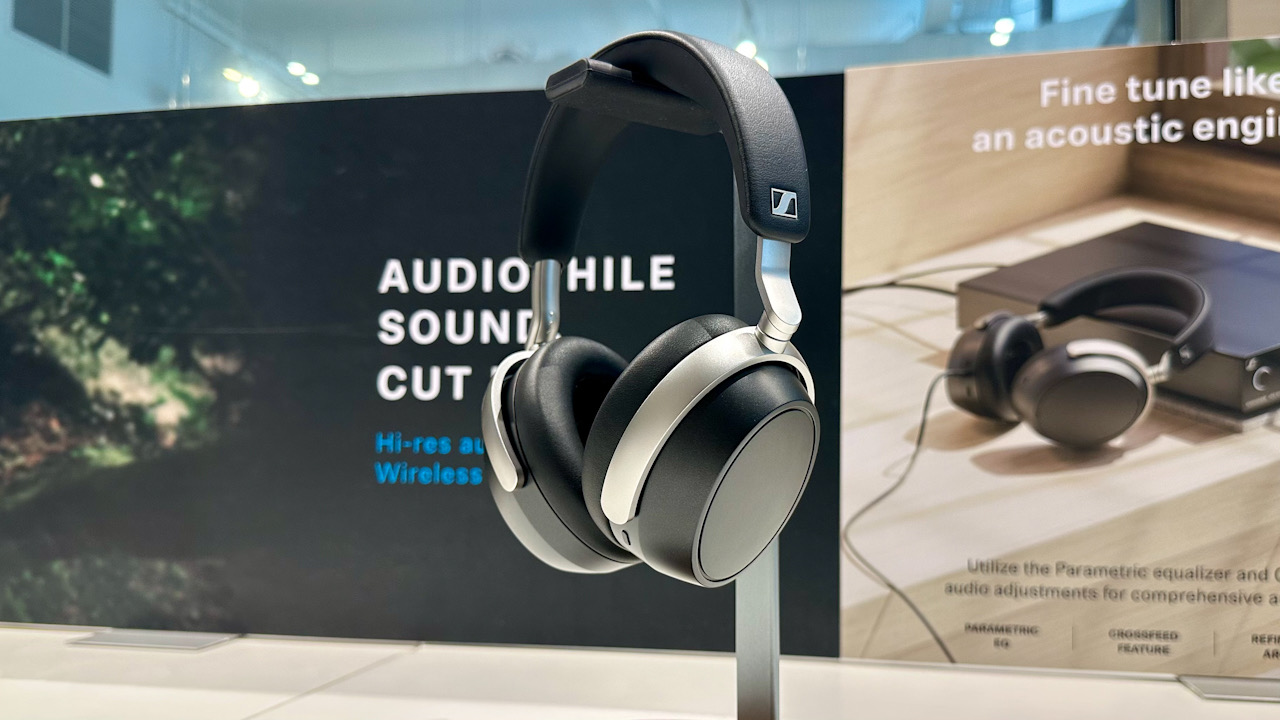
Unfortunately, without charts to back my claim, I can only channel my best ‘trust me bro’ energy — but I don’t think I’m far off. If first impressions are anything to go by, Sennheiser’s new HDB 630 is the closest we have to an everyday-use wireless headphone that delivers bread-and-butter comfort alongside audiophile-friendly, reference-quality audio.
For those who don’t chase audiophile gear, you might think premium wireless headphones from audiophile brands like Focal, Mark Levinson, and Bowers & Wilkins would qualify. Well, they do, but at the same time, they lean more towards ‘colour’ than neutrality, with sound profiles that are easy on the ear and sound like the good money you paid for them.
Much like expensive HDB flats that try to bring the best of both worlds, the HDB 630 tries to deliver both audiophile-grade audio and everyday comforts. Borrowing the Momentum 4’s chassis but overhauling everything inside, it’s fitted with 42 mm dynamic drivers made in Ireland and tuned for a neutral, reference-grade balance in all three modes — wired, USB-C, or Bluetooth 5.2.
The dongle is the way to go
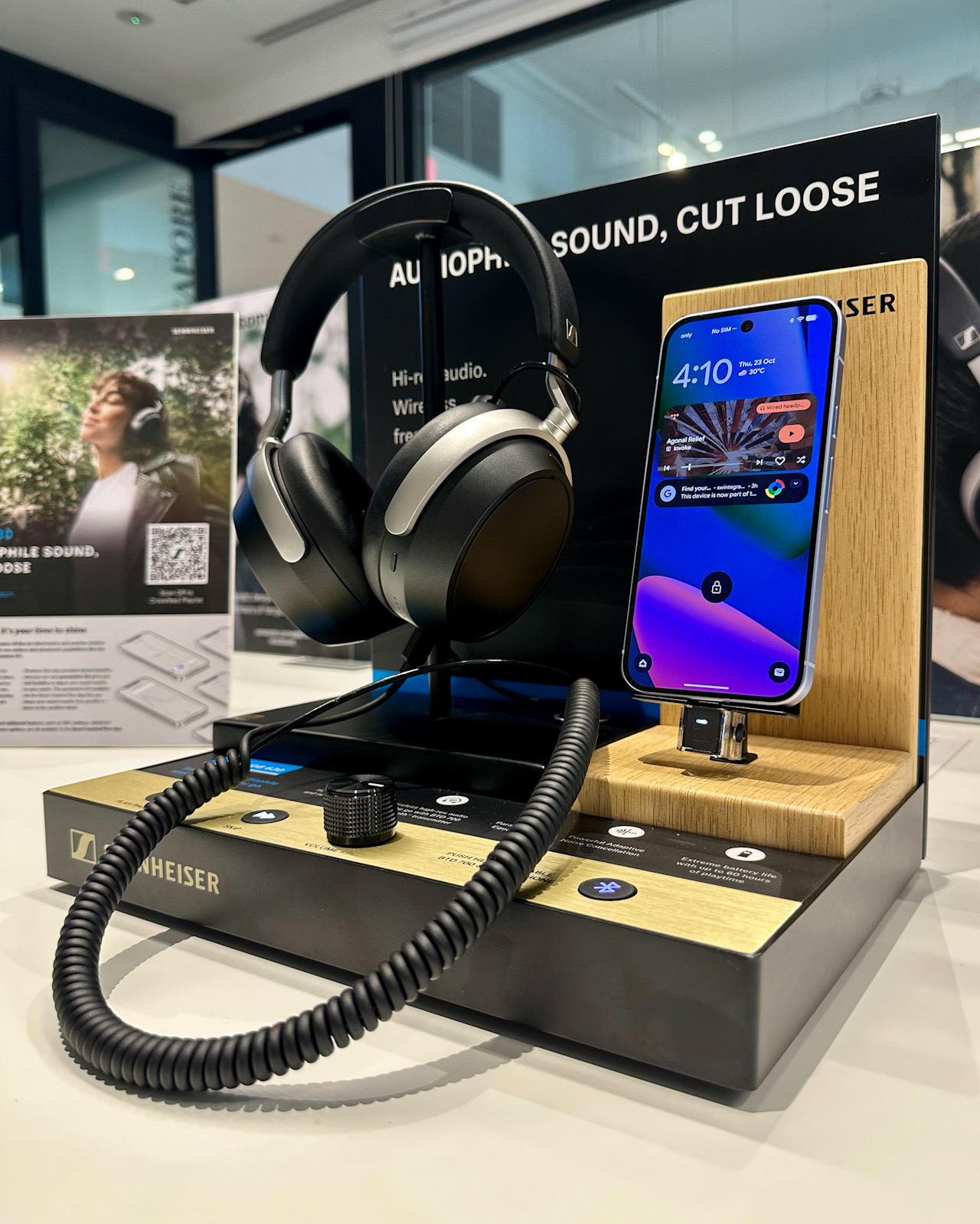
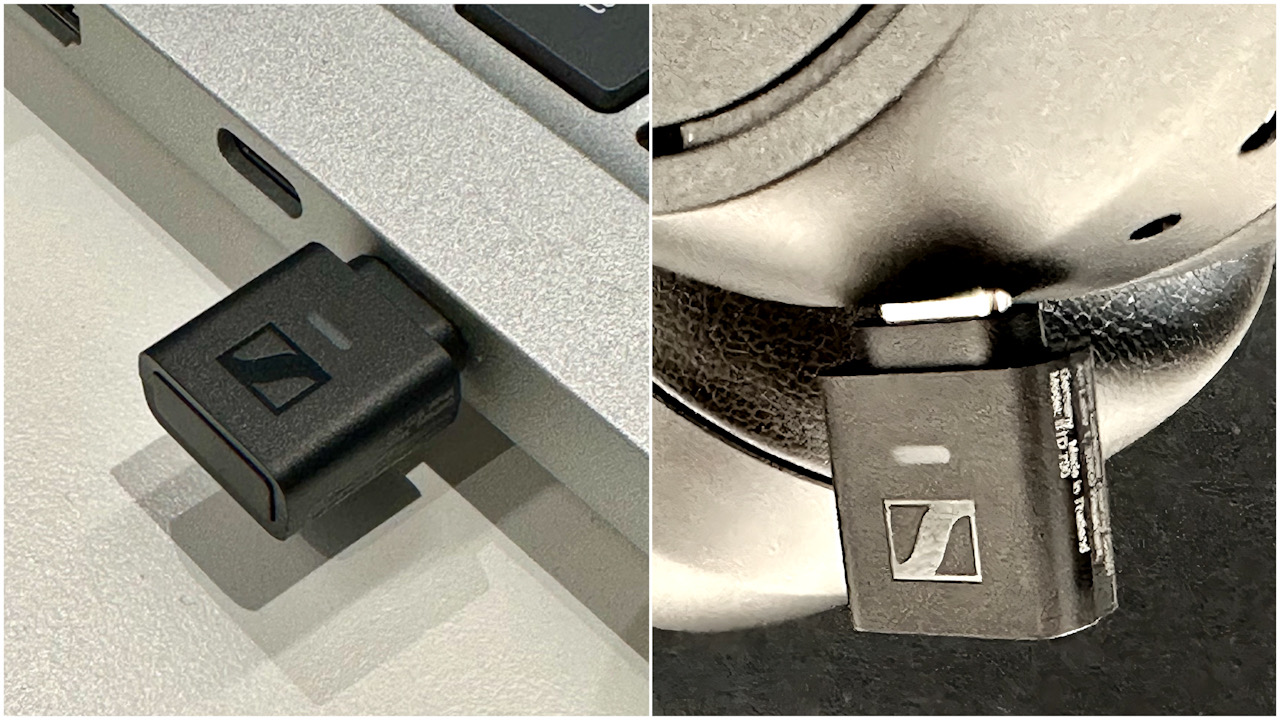 That said, there’s little reason to use the HDB 630 in wired or regular Bluetooth mode unless there’s no other choice. That’s because it comes bundled with a BTD 700 USB-C transmitter dongle, which lets most phones and tablets stream hi-res audio via aptX Adaptive. The lack of aptX Lossless was initially surprising, but makes sense after you realise this headphone prioritises a trouble-free experience, much like a mainstream one.
The Smart Control Plus app adds plenty of room to experiment. An app-based parametric equaliser with adjustable bands and Q-controls (which control how wide or narrow each EQ adjustment is) is perfect for tweakers, while a Crossfeed mode inspired by Sennheiser’s legendary HE 1 to recreate speaker-like staging, which is very useful for old recordings where the instruments are usually ‘positioned’ on the extreme left and right and are more jarring through headphones.
The onboard DSP supports 24-bit/96 kHz audio in both wired and wireless modes, which may seem pedestrian given that the tech arms race pushes the extreme in bitrates, but 24/96 is the perfect spec for portable use in terms of file size and transmission bandwidth.
Sennheiser also added that a future update will let users share custom EQ presets, making it easier for you to get the sound you want, especially if you aren’t keen on spending time tweaking.
Built to last
 The ‘disposable’ nature of modern tech devices is often a downside in an audiophile world — they’re used to equipment that stands the test of time, so the next generation of enthusiasts can experience a time capsule moment and appreciate what these pieces brought to listeners.
Hence, the idea of a headphone that’s practically good for 2-4 years before it becomes pointless to restore and repair because the tech is obsolete and the parts don’t exist anymore, doesn’t quite make sense. This is especially true of headphones with non-swappable batteries, and a removable battery design also necessitates some compromise in acoustic design.
While the HDB 630 doesn’t solve the fundamental dissonance of modern tech devices, it does state its use case clearly. These headphones are designed to last five to six years before capacity dips to about 80 per cent, which is excellent as far as battery-operated devices go. This means that after five years, the very worst that can happen is that your battery is good for at least 48 hours on a full charge.
Rated for up to 60 hours of playback with Adaptive ANC, the HDB 630 charges fast — 10 minutes for roughly seven hours — and weighs around 311 g. Other touches, like Japanese protein-leatherette cushions designed for extended durability and comfort, round out the quality-of-life upgrades.
So what?
In a market full of high-end wireless headphones with distinct identities, the HDB 630 feels like a breath of fresh air, thanks to its solid fundamentals. You get a neutral tuning, proper calibration tools to tweak to taste, and a wireless chain that respects the source.
The longevity question remains a question for the ages; it’s unlikely for wireless headphones to match their wired counterparts anytime soon, but Sennheiser’s approach at least treats it honestly — prioritise the acoustics, make the wireless experience robust, then make the battery last long enough to matter. Six years isn’t heirloom territory, but it isn’t disposable either. It’s a fair compromise for a category that moves quickly and where convenience often eats away at fidelity.
If anything, the HDB 630 proves that audiophile demands and everyday practicality don’t have to be mutually exclusive.
