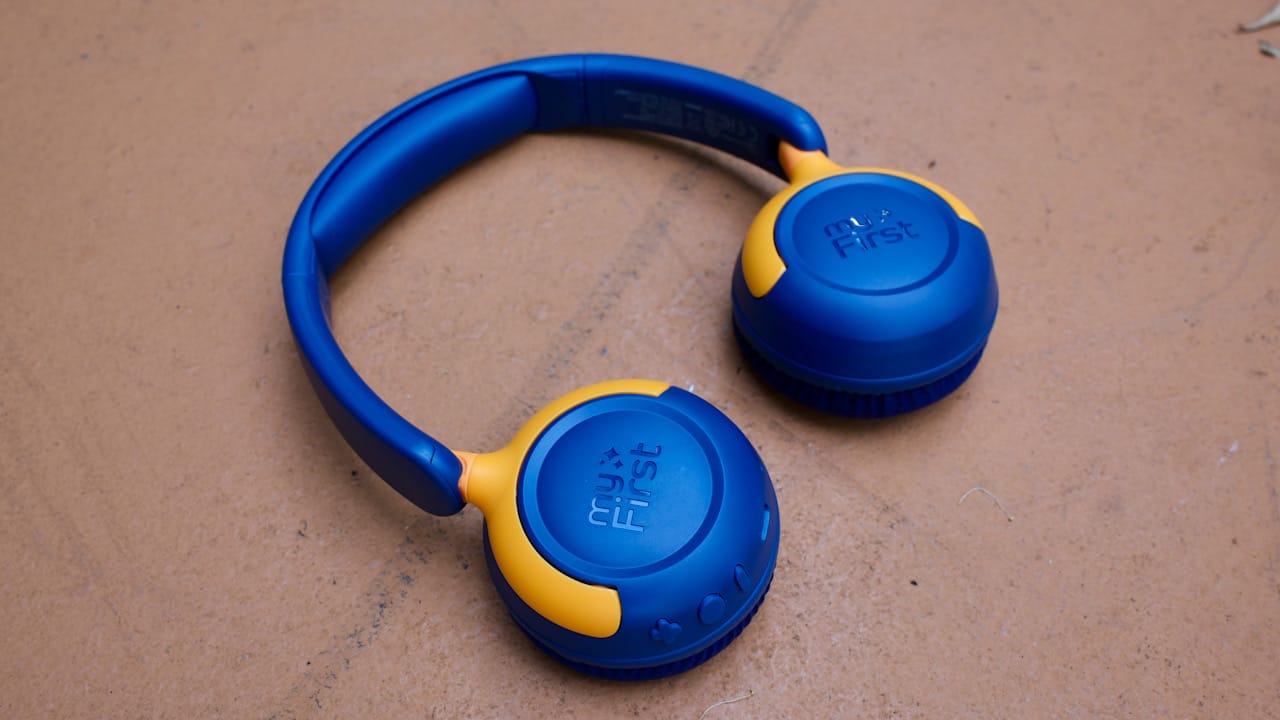
Children and headphones have kind of an awkward marriage; the kind that you know is inevitable, but parents would rather push it to a later date. On the one side, kids want to listen to music, watch videos, and play games with them. On the other hand, it creates two serious risks, whether parents acknowledge it or not.
The first is situational awareness. Headphones are isolation devices by design — they remove a kid from their environment. Well, that’s fine in a bedroom, but a lot less so when they’re walking across a street, riding a bike, or navigating anywhere that requires them to hear what’s happening around them. You don’t need to try very hard when trawling the depths of r/singapore to find FAFO examples of situationally unaware pedestrians in road accidents.
The second is hearing damage. Kids may not yet have the impulse control to self-regulate volume. They’ll crank up the dial, forget they did it, and listen at damage-inducing levels for hours. It doesn’t hurt, so it should be fine — until it’s not.
Like with most things, kids’ headphones largely assume ‘compliance’ (if at all); i.e. they ‘hope’ that kids will follow instructions, respect volume limits that are mere software suggestions, and stay in controlled environments where sound isolation is safe. Haha.
The myFirst CareBuds Max assumes the opposite. They assume kids will misbehave, push boundaries, and listen in places where they shouldn’t be distracted by audio.
The one feature that actually matters
We can pretend we can do a thousand things with headphones, but in reality, only a couple are relevant. With the CareBuds Max, one capability stands out: Smart Transparency Mode. And it’s worth understanding why, because it reveals the entire philosophy behind these headphones.
Most headphones — kids’ headphones especially — utilise passive isolation. They seal around the ear, mute the outside world, and hope for the best, so help me god. It’s an on/off thing; you’re either immersed in your audio, or you’re not.
MyFirst CareBuds Max actively restores awareness during movement, whether the user likes it or not. Motion sensors detect when a kid is walking or in transit, and the headphones automatically pivot into transparency mode — letting outside sound bleed through. The headphones are literally saying: we don’t trust you to manage this yourself, so we’ll do it for you.
That is a defensible choice, and it works well in practice — it only kicks in when you walk a short distance, so it doesn’t flip-flop annoyingly even if you so much breathe. The only downside? You can turn off transparency mode — but you can’t do it the other way around.
Unless there’s an obscure offering in the Chinese mainland that does something similar, this is likely the only one on the market that does this, and does this well.
Another example of ‘hardcoding’ for behaviour: a two-level hard volume cap (85dB for everyday, and 94dB for noisy environments). The only downside is that this is done via a button combination rather than a remote software lock, meaning parents cannot prevent the use of the 94dB setting if the children know the combination. The other reality check is that even with these volume caps, your child may still be pushing the limits, which isn’t ideal. These caps don’t replace governance; they basically help parents remind their kids about the importance of volume limits.
Other features that work well
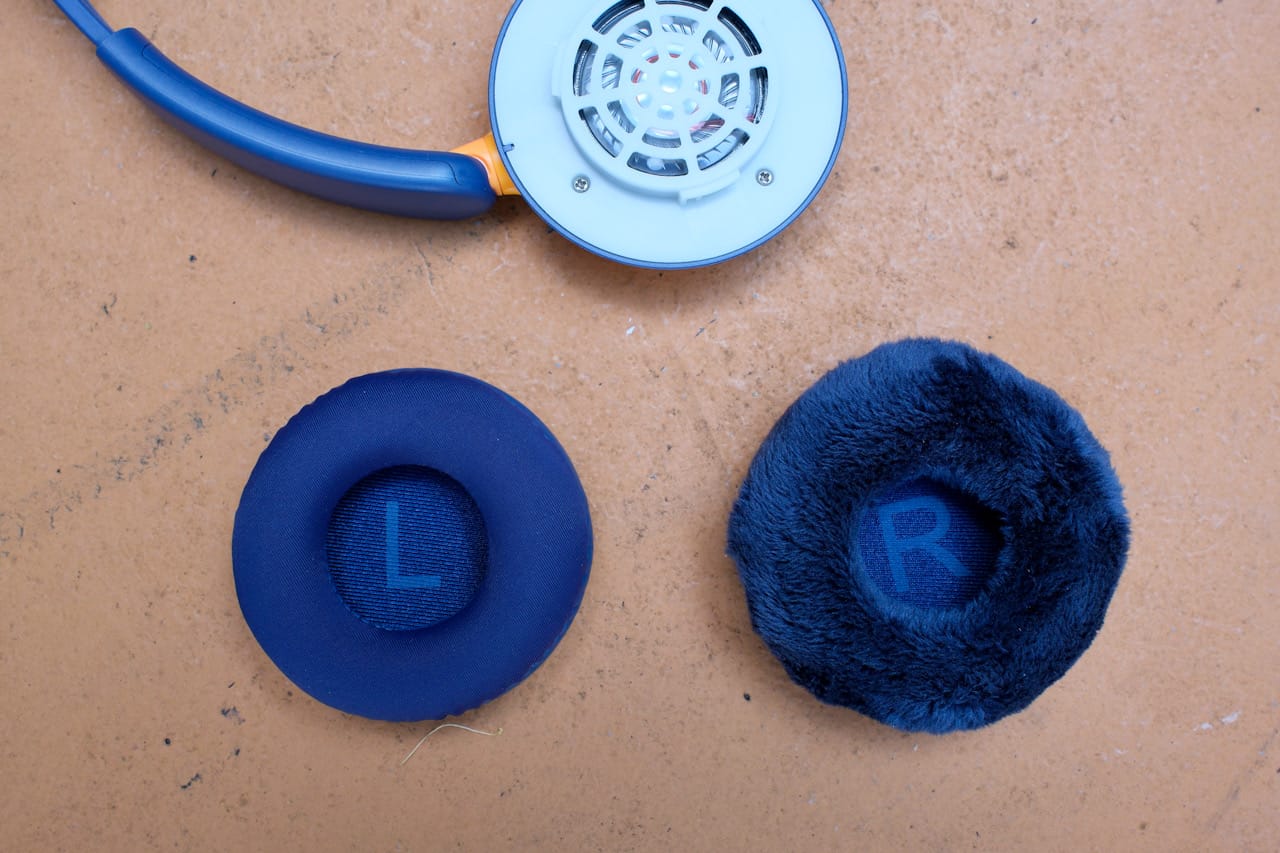 Another thing the CareBuds Max does that emphasises the company’s conscientiousness is include seasonal ear pads — one set for warm weather, another for cold. This may seem minor, but it addresses a real issue for children who travel.
The plush fabric on the cold-weather pads is longer than usual and is extra cosy. They could work in cold air-conditioned rooms, too. But it’s the warm weather set that’s interesting. MyFirst uses a breathable material that is more comfortable than regular ‘pleather’ and unusually cool to the touch. MyFirst claims it’s cooler than silk and Lyocell, a popular cooling fabric. It’s hard to measure that objectively, but it’s certainly something you can feel compared to the usual stuff you find on regular headphones.
The pads use a twist-to-lock mechanism, so it’s easy to swap quickly. There is reason to be concerned about how long such a mechanism can last with constant swapping, but I don’t think people will change them every day, are they?
Battery life of over 50 hours feels a little more pedestrian, but it is great for children’s headphones — you wouldn’t want them listening all day anyway. If you do need to charge, it can recover roughly a day’s listening by plugging in for 10 minutes.
That said, these seem to be comfortable headphones for short sessions, based on the children’s feedback — or they may have been well trained by the parents to be polite, you tell me. But the headphones are pretty light, and the all-plastic frame is springy and flexible, so I think that lines up with what they are claiming. However, the frame profile suggests a fairly snug fit, which raises questions about the comfort of all-day listening. Given the safety-first nature of these headphones, though, I don’t think that’s a major downside.
The built-in microphone has enough clarity, provided the environment isn’t too noisy, and if there’s no wind. This is another area they can address in their next iteration.
The CareBuds Max also features wireless sharing, letting multiple kids listen together without the complexity of daisy-chaining. And there’s no paired app to set up or authenticate — turn them on and they work. I couldn’t test this feature, but since it’s not new tech, it shouldn’t have any major issues.
Understandable limitations
As I mentioned earlier, while the CareBuds Max enforces safety, it doesn’t let parents manage it. There’s no app or dashboard to view usage patterns, enforce time limits, monitor activity, or adjust the transparency threshold by location or time of day. The device makes decisions autonomously, meaning you either trust the defaults or you don’t.
It’s understandable why a gap like this exists — headphones have been commoditised, and it’s hard to add more features without raising the cost to the point where parents will look elsewhere because they don’t see the point.
That said, the trade-off here is reasonable and provides just enough on-device constraints, short of full oversight and remote enforcement. The onus is still on parents to encourage good habits.
Sounds good for a first pair of headphones
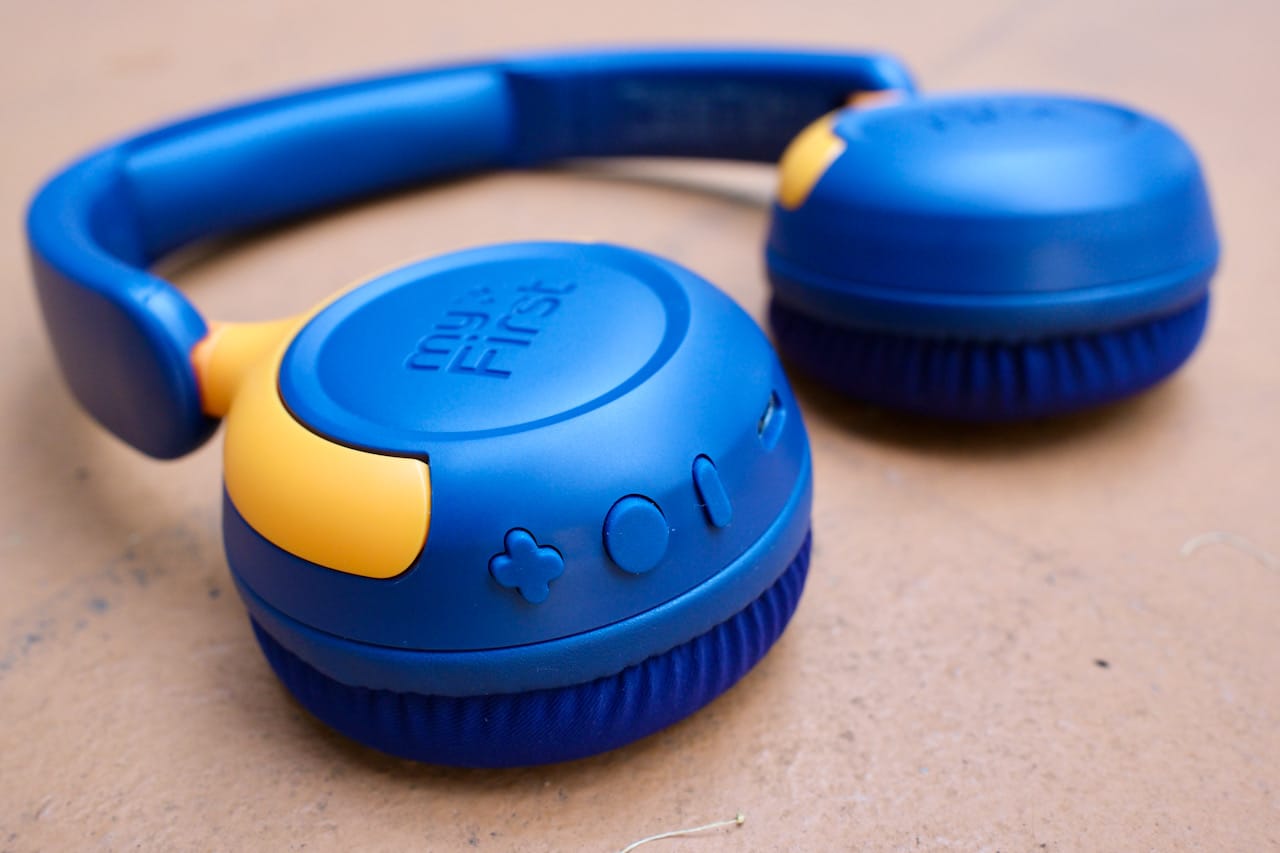 It’s odd that the section about sound is so far down the list, but the reality is that the safety elements are the CareBuds Max’s best features.
However, for a first pair of headphones, they are more than decent — I wish I had these for my first. Clarity is the name of the game here; the bass is restrained (sorry, bass lovers) but present where it needs to be, and the signature leans bright. It borders on sounding plasticky thin if you don’t fit it properly, but on the flip side, it’s surprising how well the instruments are ‘placed’; there’s good width in the soundstage, so it’s quite easy to hear them through a crowded mix. While it doesn’t have the refined details of audiophile-leaning starter headphones, I’m almost tempted to call them audiophile headphones for kids. But that will probably come across as patronising to both kids and audiophiles.
Who this is for
The CareBuds Max work best for younger kids — say, ages 5–10 — and first-time headphone users. The Smart Transparency mode, which addresses situational-awareness issues, is the standout feature here and likely the main reason you are considering this pair of headphones.
The volume abuse problem is probably less effective because kids are smart enough to switch to the 94dB setting, which, although safe, is still not ideal for long hours.
But as it stands, it’s a well-thought-out set of headphones for a younger demographic. Whether that’s enough depends entirely on what you’re trying to protect and how much control you need over the process.
Latest posts
Popular posts
- myFirst CareBuds Max - 7.9/107.9/10
Summary
The myFirst CareBuds Max are built around a realistic assumption: kids won’t behave perfectly. And features like motion-based transparency and built-in volume limits reflect that reality. But control stops at the hardware — there’s no parental app or oversight layer. That’s workable for younger users, but there’s still a small gap for parents who want control rather than trust.
