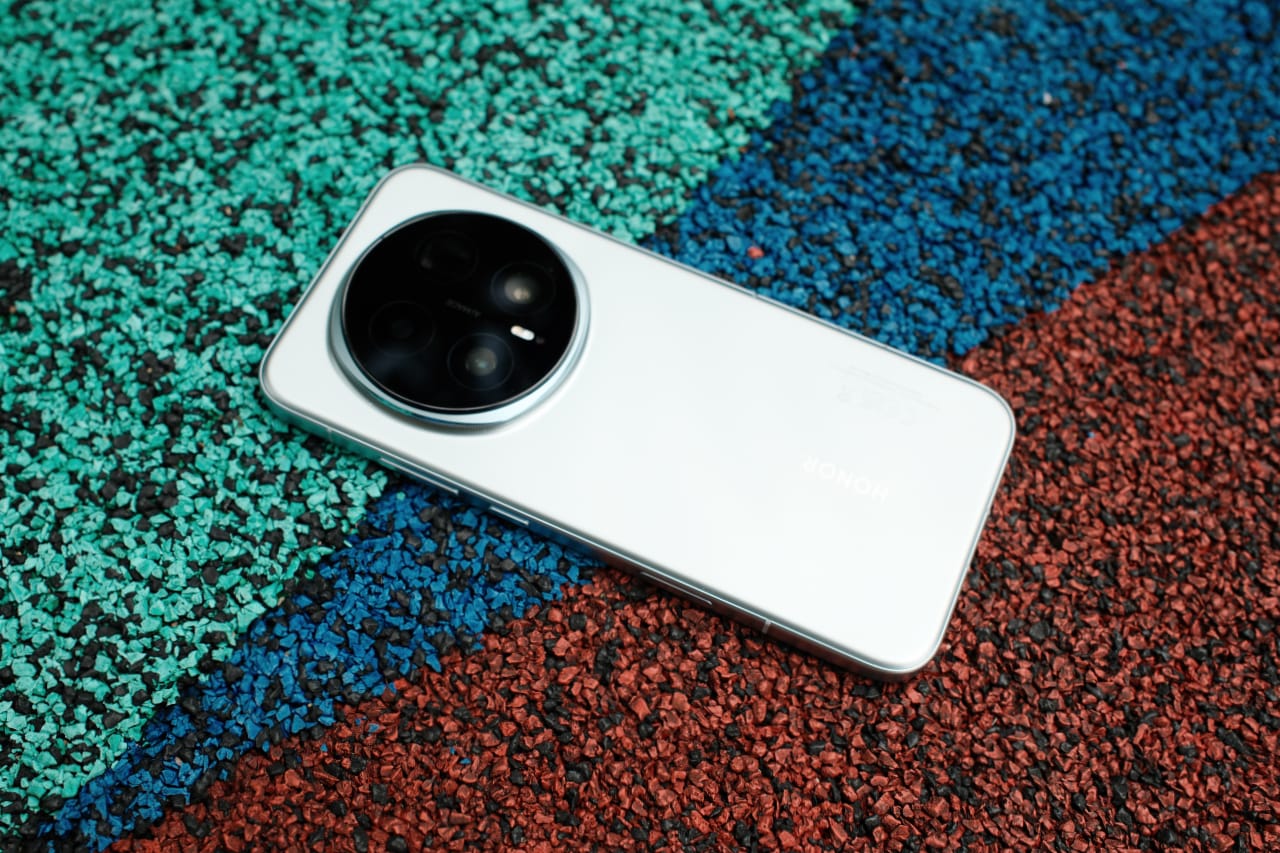
Flagship phones represent their respective companies’ best technologies, and there’s no question that there’s always a bit of a specs race whenever a new model is launched. But isn’t it funny that more often than not, it’s become a game of finding a spot where they can stand out among their peers?
One brand wants to own night photography, another wants the most appealing colour science, and so on; you get the picture. Often, we wind up with technically extraordinary phones that may be strangely compromised — not in a “fatal flaw” kind of way, but just enough to make you want more. Case in point: there are mid-tier phones that can match or even outperform some flagships in charging speed alone.
This is why the Honor Magic 8 Pro hits different. I don’t think Honor is above feature chest-thumping, but at the same time, they’ve covered more bases than most.
More camera than most people need
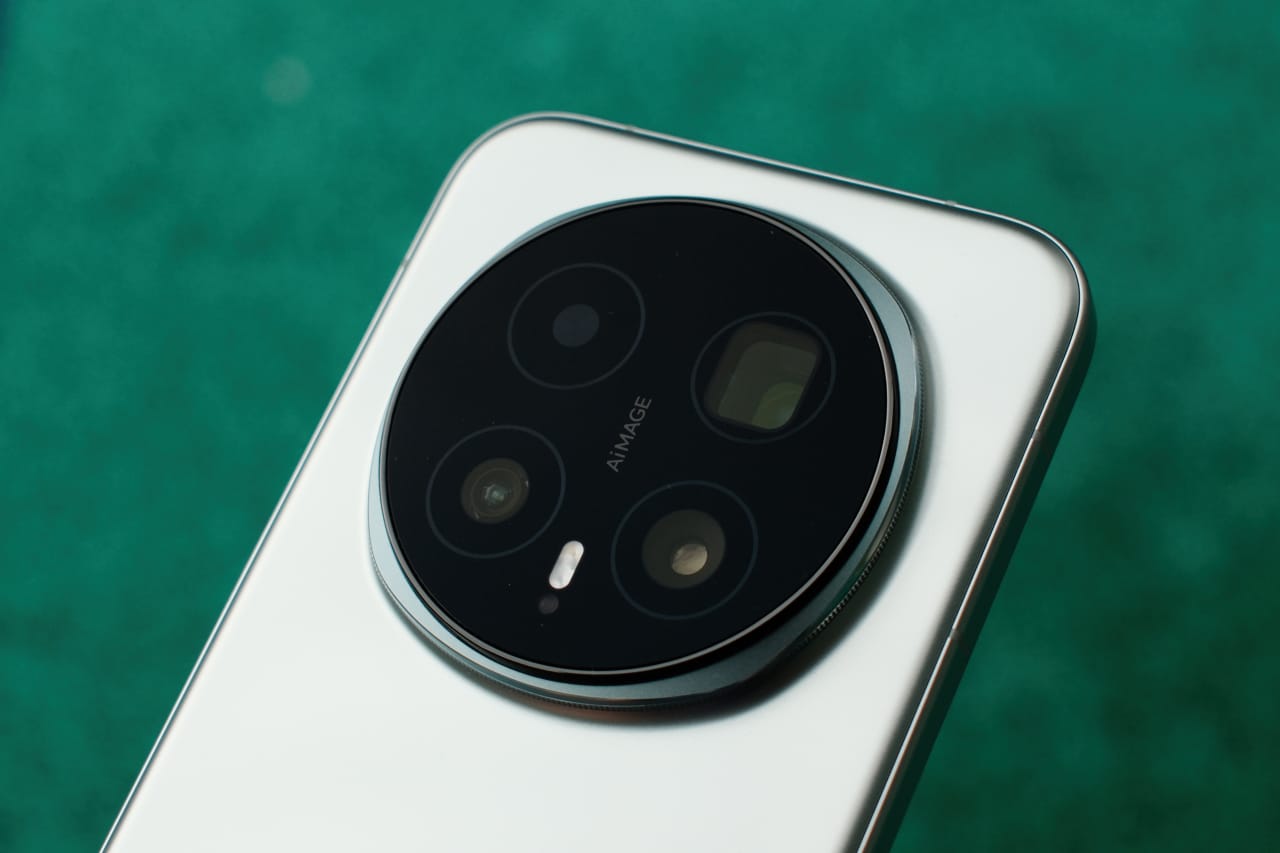 If your sole metric is “which phone has the best camera, full stop” — which in itself evokes more questions — then it’s highly likely your eyes will wander elsewhere, given the stiff competition. Vivo’s X-series still pushes harder on portrait rendering and colour nuance. Xiaomi’s Ultra models have that Leica-tuned look down pat, and so on — everyone has a signature party trick.
The Magic 8 Pro, on the other hand, pushes hard with its 3.7× periscope telephoto system, centred around a 200MP sensor and CIPA-rated optical stabilisation on both the wide and telephoto cameras — figures that wouldn’t look out of place in mirrorless spec sheets. It also supports up to 100× digital zoom. While that’s hardly unique, what matters is that it’s stable, usable, and relatively forgiving — even handheld and in imperfect light.
Handheld 100× zoom will always be a struggle, stabilisation or not. While it’s ultimately more novel than practical, it’s good enough that you’ll likely find yourself using it more often than expected. As you get closer to the extreme end, it leans more heavily on AI to infer detail, which means there’s always a chance it can guess wrong if the composition is ambiguous. For better results, stick to subjects with well-defined, predictable lines — buildings, signage, landmarks.
Considering just how far away a 100× frame actually is, the results are laughably decent. The real takeaway, though, is that at around 10×, the results are genuinely good despite being digitally enhanced.
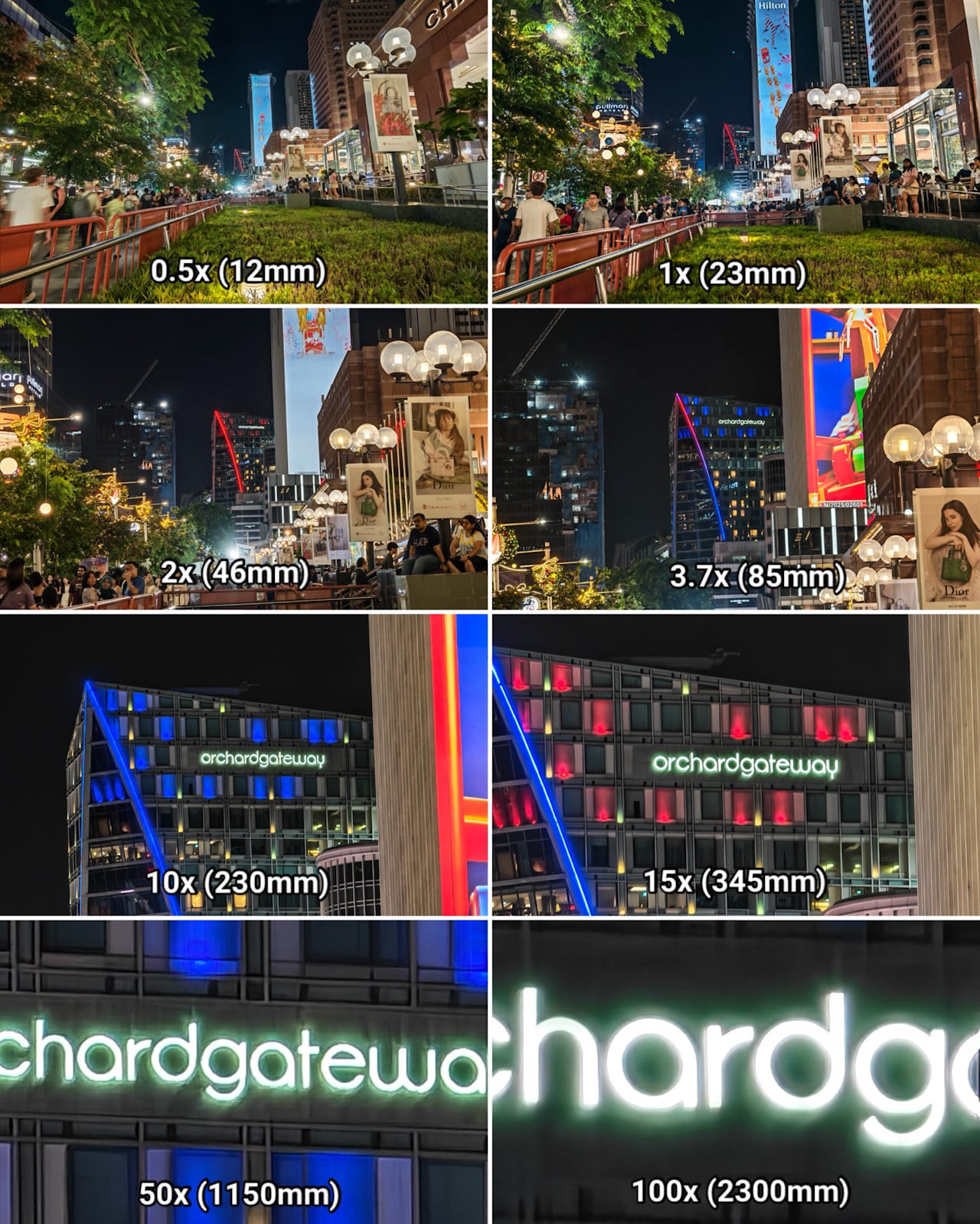
A rough idea of what the camera can do over its entire range. Orchard Gateway is ~600m away.
The primary wide-angle camera doesn’t rely on exotic gimmicks; no variable-aperture theatrics here, just a large 1/1.3-inch 50MP sensor, a bright f/1.6 lens, and aggressive AI tuning. The result is predictable in a good way. Night shots are bright and display clarity without feeling cartoonish, and skin tones are generally pleasant. The ultra-wide camera keeps up better than expected, especially in daylight, and with its own 50MP sensor, it doesn’t feel like a throwaway lens. Because the pixel counts are broadly comparable across cameras, transitions between them feel visually less jarring.
The front camera checks all the boxes as well — 4K video, a wide-enough field of view for comfortable selfies, and cleaner-than-average portrait separation thanks to the 3D depth system.
Video-wise, the Honor Magic 8 Pro leans dependable rather than spectacular. There’s no 8K recording here — no loss, frankly. The phone supports up to 4K recording across all cameras, as well as 4K 120 fps slow motion, which is certainly more helpful than 8K. Backed by optical stabilisation, handheld shooting on the main and telephoto lenses is noticeably more stable. Low-light clips do show noticeable processing, but it’s clearly tuned around the idea of delivering usable footage with minimal effort.
Generally speaking, the Magic 8 Pro is pretty aggressive with image processing, so photographers who value fine texture and micro-detail may be less enthused. But it comfortably clears the bar for overall usability, which is what most people actually need day to day.
The real differentiator: everything outside the camera
 Where the Magic 8 Pro really separates itself is in the areas camera-centric flagships often treat as secondary — battery life, for one. A 7,100mAh battery sounds absurd, and yet it’s precisely what you want. This is a phone for people who worry about making it through a busy day, and it’s rare that I can say, “it’s comfortably a day-and-a-half phone” with such conviction.
Just as important, Honor pairs that massive capacity with fast charging. If you notice you’re low before heading out, roughly five minutes nets you around 15% battery, which doesn’t sound much, but remember that the battery is much bigger now. The caveat is that you’ll need the compatible 100W SuperCharge adapter and high-amperage cable to unlock boost mode, and the same applies to the 80W wireless SuperCharge feature.
Even something as simple as offering both secure 3D face unlock and an ultrasonic fingerprint scanner feels like a flex. Few phones do this. You can argue that not everyone needs both, but having the option is fantastic — unlock with your thumb before the phone reaches your face, or rely on facial recognition when your hands are full.
When it comes to the processor, there’s no surprise that it comes with the latest Snapdragon 8 Elite Gen 5 processor. The phone does heat up a bit from stressful activities like sustained gaming, but that’s the mild trade-off of having the most powerful chip in a non-gaming phone.
The display is excellent. It’s incredibly bright, rated up to 6,000 nits in HDR highlights, smooth thanks to a 1–120Hz LTPO panel, and genuinely easy on the eyes over long sessions thanks to high-frequency PWM dimming. Some displays flatter to deceive despite impressive specs; this one excels with low-key lighting and shadow-heavy content. Coupled with its battery life, this is a veritable portable Netflix machine.
There’s also IP69K durability (water jets, anyone?), strong stereo speakers, an IR blaster (still a quirky, rare beast), and a dedicated connectivity chip designed to improve reception in weak-signal areas. For Apple users, Honor includes Honor Share, which supports wireless file transfers with iPhones via a companion app. It’s not perfect, but it’s significantly less painful than relying on cables or third-party workarounds for everyday tasks like moving photos. For the Magic 8 Pro, the magic lies in the little things that add up.
AI stuff: software: not exciting, but mostly out of the way
 Honor’s front-facing AI features aren’t groundbreaking, but they are low-key useful. Magic Pose is the clearest example — it offers on-screen guidance around posture and framing, helping reduce awkward, throwaway portraits and reduces stress on the ‘Instagram boyfriends’. Magic Color leans more towards creative convenience — supply a sample picture, and it applies AI-assisted colour treatments that emulate cinematic or mood-driven looks without manual tweaking.
Enthusiasts will inevitably question the precision of these tools, but for most users, they offer a quick fix with tangible improvement for minimal effort. More importantly, these features are optional. They’re easy to ignore and aren’t hard-wired into the shooting or editing workflow.
Honor’s non-photographic AI tools are best understood in context rather than in terms of raw capability. Honor’s AI features — summarisation, translation, text extraction — work competently, even if Google Gemini remains the stronger reference point in this space. Other newer ideas, like AI Memories — which lets you save and resurface screenshots and on-screen notes — hint at longer-term potential, but in its current form, it feels more experimental than essential.
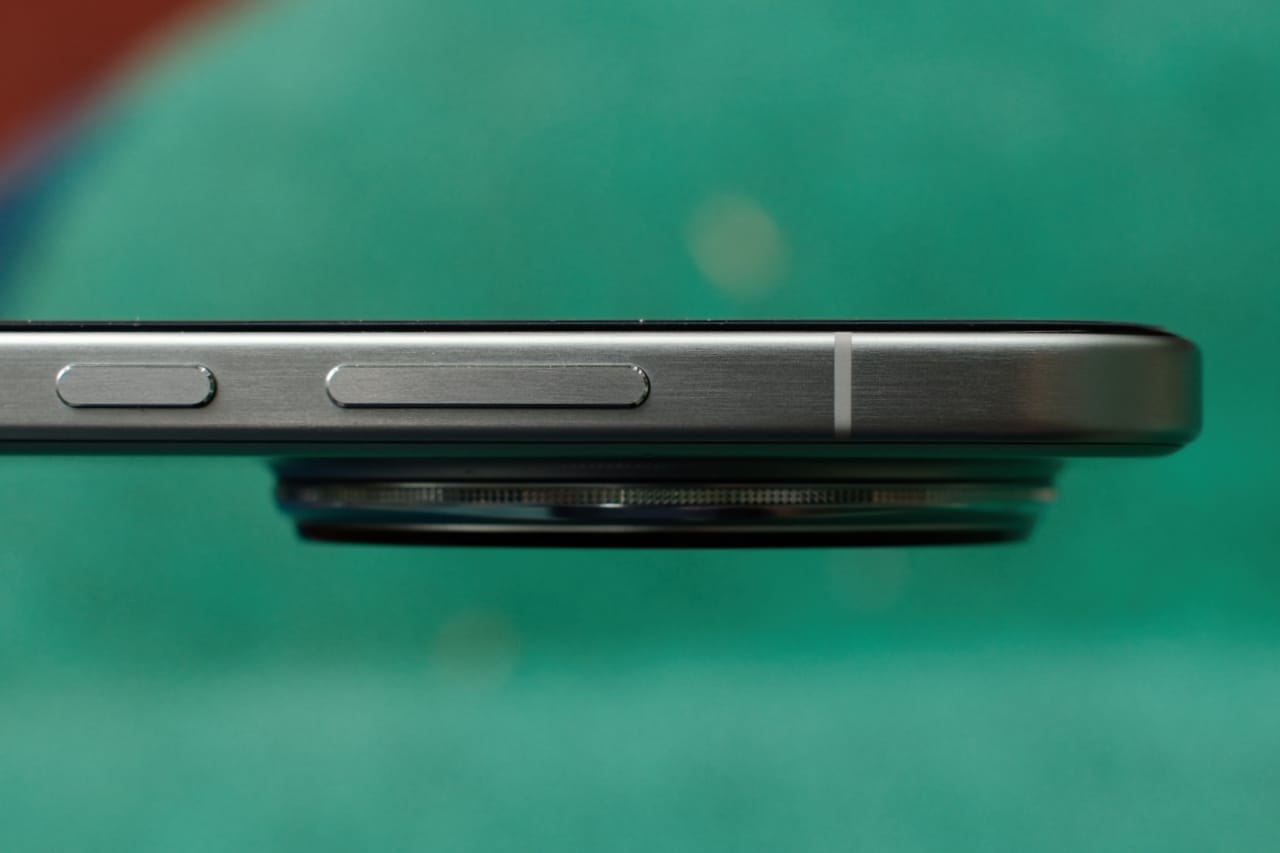
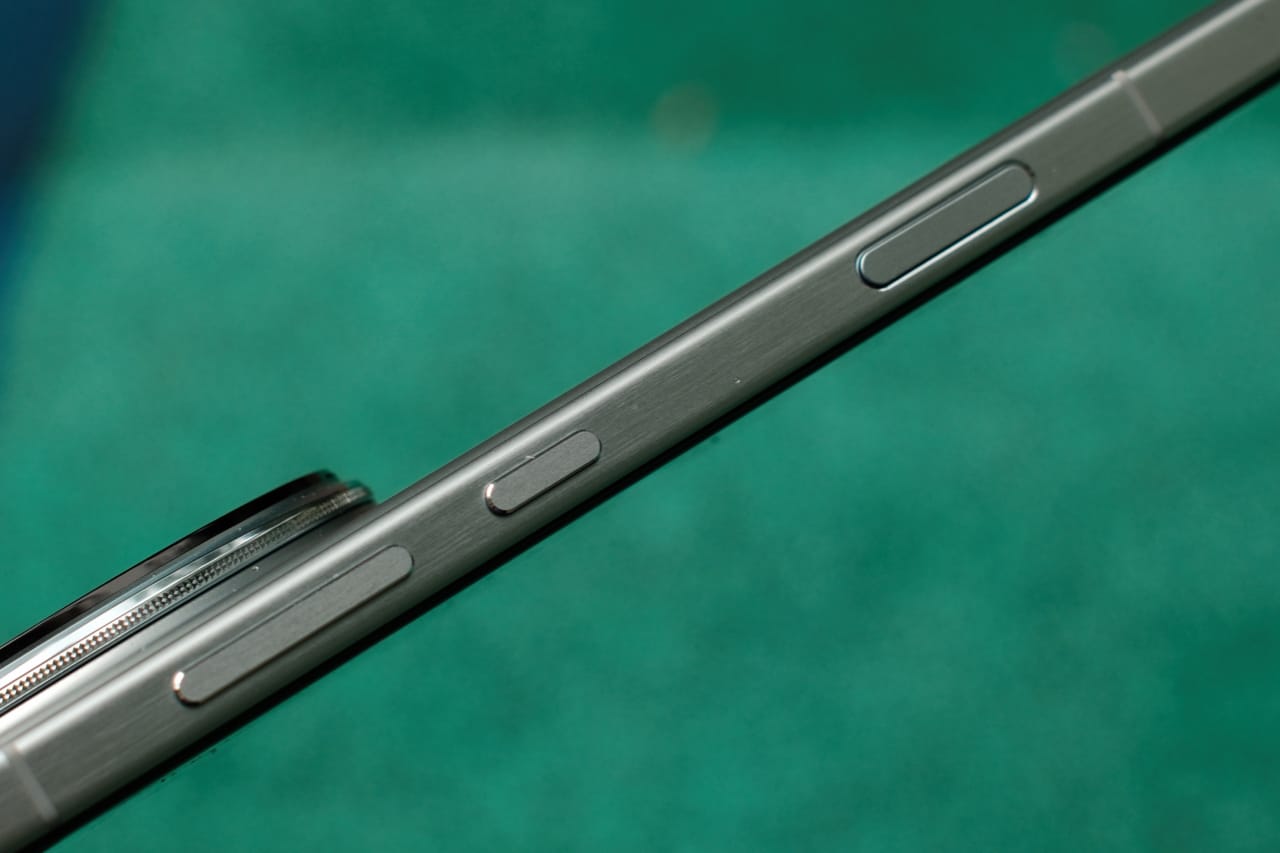
However, it’s how they are applied that matters. When AI features are surfaced through simple shortcuts — including a programmable, physical button — rather than buried in menus, they’re far more likely to be used. Ultimately, the AI acts as a support layer — helpful when relevant, invisible when not — which is about as much as one can reasonably expect from an Android phone outside the Pixel ecosystem.
So, who is the Magic 8 Pro actually for?
There’s no single feature on the Honor Magic 8 Pro that truly wowed me — but the overall experience is more than the sum of its parts. This phone is for people who:
want a top-tier camera without obsessing over winning every blind comparison
value battery life, charging speed, and reliability
care about daily conveniences like unlocking, charging, and living with the phone one-handed
The Magic 8 Pro proves you don’t need to win every category to build a compelling flagship. You just need to be very good at almost everything — and excellent at the things people actually live with, every day.
In Singapore, the Honor Magic 8 Pro starts at SGD1,499 for the 512GB model and goes up to SGD1,699 for the 1TB variant. That sits comfortably in flagship territory, but makes a strong case for value given how complete the overall experience is.
- Honor Magic 8 Pro - 8/108/10
Honor Magic 8 Pro
The Honor Magic 8 Pro isn’t defined by one headline feature, but by how well everything fits together. It delivers more camera than most people need, exceptional battery life, fast charging, and a long list of daily conveniences that make the phone easier to live with. It may not win every spec battle, but as an all-rounder, it’s one of the most complete flagships you can buy.
