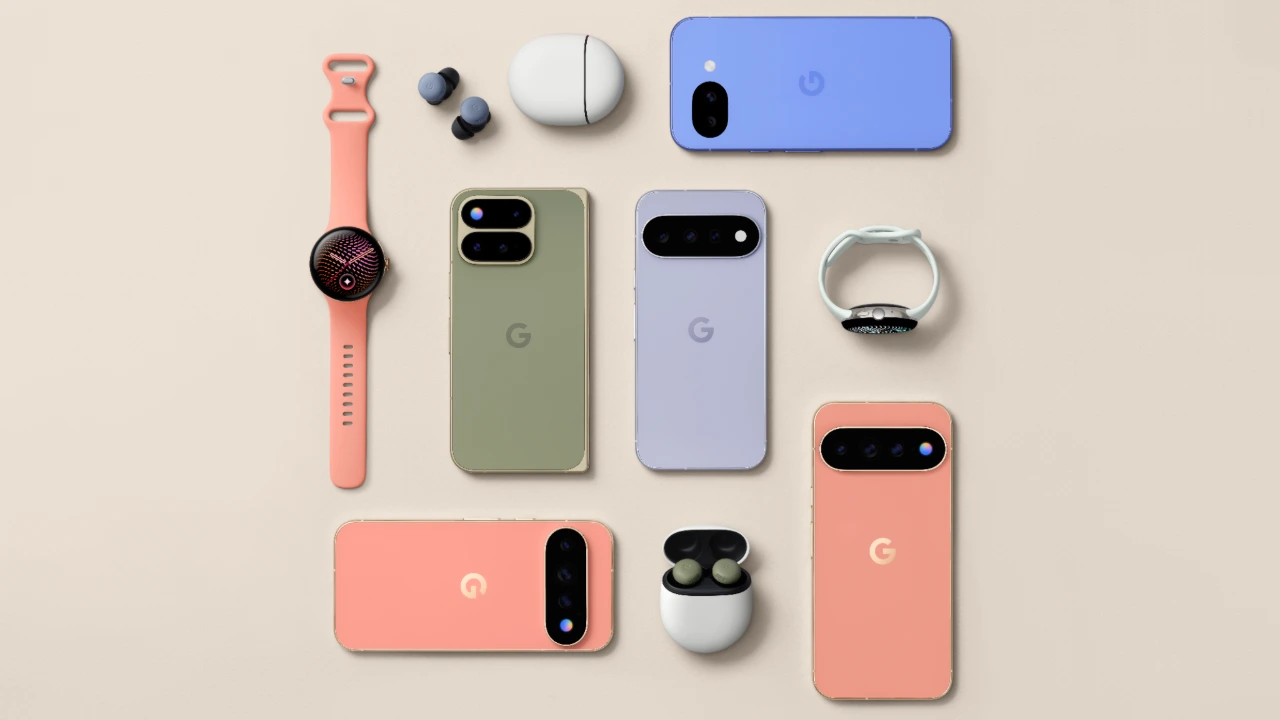
For its 11th iteration, the Google Pixel 11, Pixel 11 Pro and Pixel 11 Pro XL pick away at the smaller annoyances and limitations of their predecessors.
The basic formula remains familiar; screen sizes are unchanged, Tensor G6 replaces Tensor G5 across the range, and Google is again leaning heavily on computational photography and software to differentiate its phones from the mad hardware wars amongst manufacturers. Other changes are minor but meaningful — lighter bodies, faster wireless charging, better camera hardware and brighter Pro displays.
Highlights
Regular Pixel gets a lot of the useful stuff
Pixel 11 keeps Tensor G6, 25W Pixelsnap and a 5x telephoto at SGD 1,299; the Pro tiers spend their premium on brighter displays and stronger camera hardware.
- Processor
- Google Tensor G6
- Starting storage
- 256GB across the series
- Charging
- 25W Qi2.2 Pixelsnap
- Pixel 11 camera
- 48MP main + 5x telephoto
- Pro camera
- 48MP 5x telephoto; up to 120x Pro Zoom
- Software support
- 7 years of OS, security and Pixel Drop updates
The Pixel 11 gets several useful fixes
The most visible tidy-up is something you won’t miss. Google says its redesigned camera island depth is more than 40% thinner, while the phone drops from 204g to 196g without changing its dimensions.
The 6.3-inch Actua display remains a 60–120Hz OLED panel rated for 3,000 nits peak brightness; no major screen upgrade here.
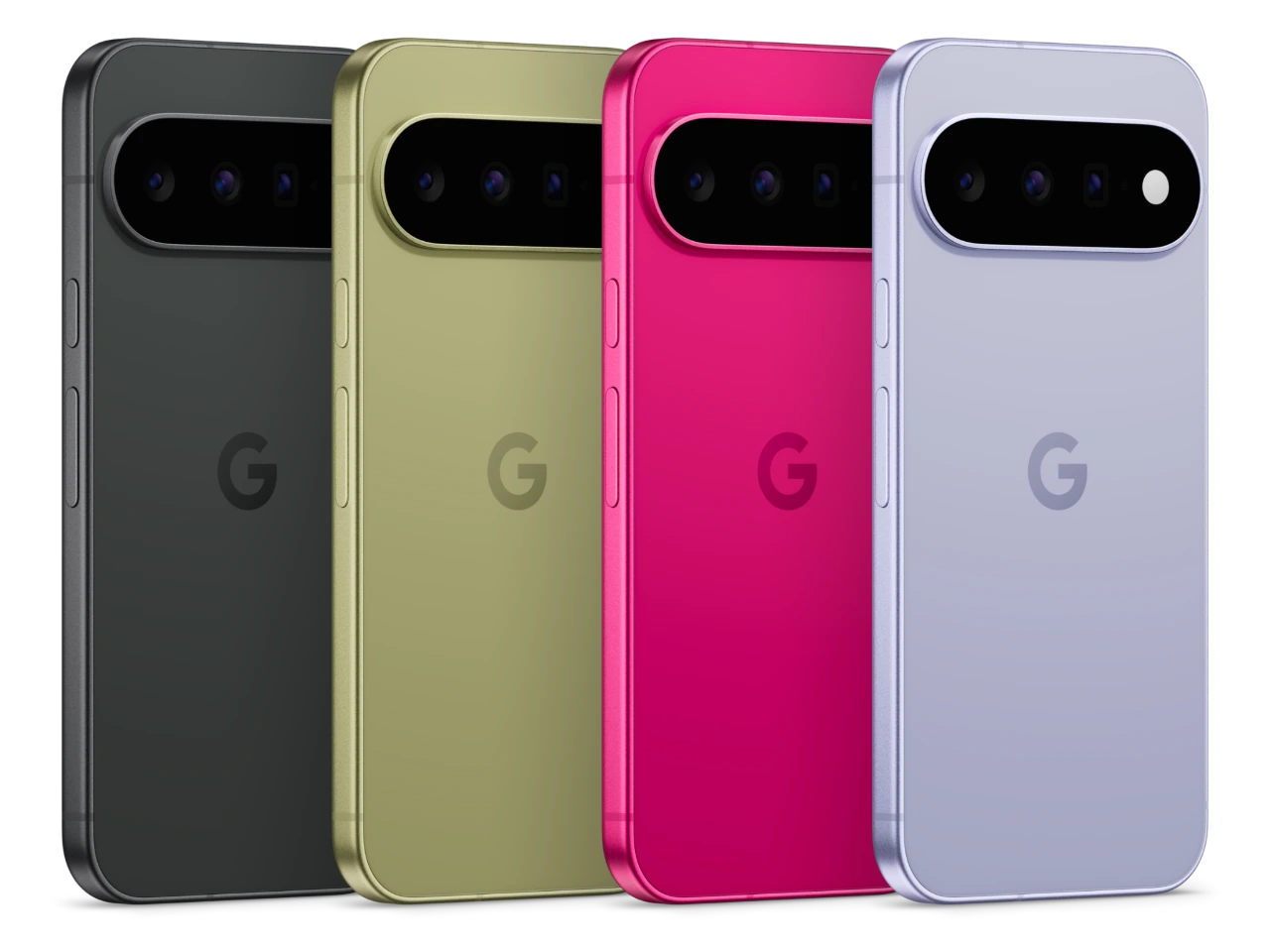
Google Pixel 11 in Obsidian, Pistachio, Hibiscus and Frost.
The camera is more interesting. Resolution remains 48MP, but Google has replaced the 1/2-inch main sensor on the Pixel 10 with a new 1/1.56-inch sensor. Google claims this change improves light sensitivity by 56%. The Pixel 11 also sports a 10.8MP 5x telephoto camera, while maximum Super Zoom has been bumped from 20x to 30x.
Wireless charging also gets an overdue boost. The Pixel 10 supported 15W Qi2 charging; the Pixel 11 gets 25W Qi2.2 Pixelsnap charging. Battery capacity barely moves, from 4,970mAh to 4,985mAh, but Google now claims more than 30 hours of use as Tensor G6 is up to 20% more power-efficient than Tensor G5.
The phone also gets a new Extreme Charging Mode that temporarily prioritises charging when a quick top-up matters more than normal phone performance.
Pixel 10 → Pixel 11 | Pixel 10 Pro → Pixel 11 Pro | Pixel 10 Pro XL → Pixel 11 Pro XL | |
|---|---|---|---|
Processor | Tensor G5 → G6 | Tensor G5 → G6 | Tensor G5 → G6 |
Weight | 204g → 196g | 207g → 204g | 232g → 227g |
Peak brightness | 3,000 → 3,000 nits | 3,300 → 3,600 nits | 3,300 → 3,600 nits |
RAM | 12GB → 12GB | 16GB → 12GB/16GB | 16GB → 12GB/16GB |
Starting storage | 128GB → 256GB | 128GB → 256GB | 256GB → 256GB |
Main camera | 48MP, 1/2" → 48MP, 1/1.56" | 50MP, 1/1.3" → effectively unchanged | Effectively unchanged |
5x telephoto | 10.8MP, 1/3.2" → similar hardware | 48MP, 1/2.55" → 48MP, 1/1.95" | Same Pro upgrade |
Maximum zoom | 20x → 30x | 100x → 120x | 100x → 120x |
Wireless charging | 15W → 25W | 15W → 25W | 25W → 25W |
Battery | 4,970 → 4,985mAh | 4,870 → 4,850mAh | 5,200 → 5,115mAh |
Powering all of this is Google’s latest Tensor G6 SoC. Google says it offers up to 20% better power efficiency, 25% faster browsing, 15% faster app loading, and a 50% increase in TPU compute.
Alongside it is also a new Titan M3 security coprocessor, which adds quantum-safe secure boot and uses post-quantum cryptography as part of the Pixel 11 series’ hardware security stack. Also new is a modem that Google says is faster and more power-efficient.
The Pros put their biggest upgrade into the telephoto camera
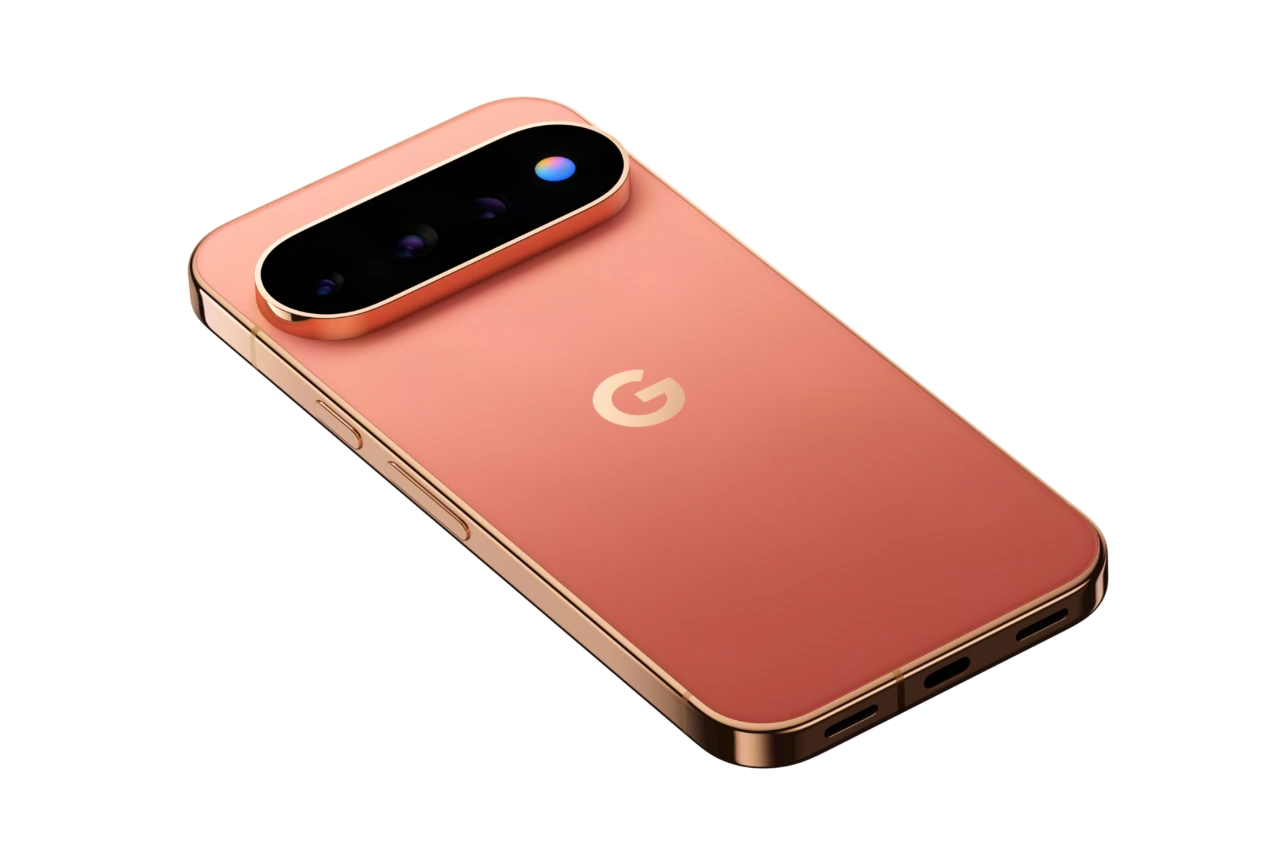
Google Pixel 11 Pro in Canyon.
The headline numbers on the Pixel 11 Pro and Pro XL main camera look familiar — 50MP on a 1/1.3-inch sensor — but Google says the Pro models use a brand-new main sensor. The 48MP 5x telephoto has a more clear-cut upgrade (on paper anyway), moving from a 1/2.55-inch sensor to a 1/1.95-inch one. Google says the redesigned camera captures around 30% more light, while stretching Pro Zoom reach from 100x to 120x.
Tensor G6 also brings 50% more TPU compute, which Google is putting towards camera processing. It says Instant Night Sight captures photos up to 4.5 times faster, while Magic Capture can analyse around 500 frames from a scene and pull out high-quality photographs alongside the recorded video.
The new Pixels also feature Camera Looks, which let users create personalised film-style treatments while retaining Google’s HDR+ and Real Tone processing, and Camera Coach, which provides real-time suggestions on composition and camera settings.
The Pro gives you access to Portrait Mode at 5x telephoto, alongside 50MP High-Res Portrait Mode, existing Pro controls and high-resolution capture. The selfie camera is also substantially better than the base model: 42MP versus 10.5MP on the Pixel 11.
The Pro also gets Pro Stable Video, which uses Video Boost for stabilised recording up to 8K, as well as 4K bokeh (blurred-background) portrait video. Meanwhile, Creator Suite adds a teleprompter, improved Speech Enhancement, project folders and Storyboard tools for trimming and rearranging clips.
Other upgrades (and one downgrade)
Google has added a new minor feature on the Pro models: HiLight. LEDs around the rear camera flash can glow in assigned colours for calls from favourite contacts while the phone is face-down, or pulse to show when Gemini is listening, thinking or responding.
Other changes are comparatively minor. The Pro displays remain 6.3 and 6.8 inches, but peak brightness rises from 3,300 to 3,600 nits. Google has also added an anti-scratch treatment that it claims provides more than twice the scratch resistance. The smaller Pro finally gets the same 25W Pixelsnap wireless charging as the XL, fixing the Pixel 10 Pro’s rather odd 15W limit. Both Pro models also feature a vapour chamber to heat away from the processor and battery.
And the one clear downgrade — I guess we’ll all blame the RAM shortage for this step backwards, even if it isn’t the actual reason — is that the 256GB Pixel 11 Pro and Pro XL only get 12GB of RAM (rather than 16GB on the previous generation), with 16GB reserved for higher-capacity configurations.
The bread and butter software perks
The Pixel has always been software-focused, and the latest Pixels continue this tradition of simplifying the user experience.
Gemini Intelligence can surface contextual information across supported apps, while Rambler cleans filler and clutter from dictated speech. Circle to Search can now be launched directly through the camera, and Live Translate extends to supported videos, podcasts and voice messages. Other features include:
- Quick Share and AirDrop: Android 17 Pixels can exchange photos, videos and files with compatible iPhones and Macs without an internet connection. This interoperability predates Pixel 11, so it is part of the wider Pixel software experience rather than a Pixel 11-exclusive upgrade.
- Tap to Share: an updated NFC tag at the top of the phone lets users tap nearby Android devices to exchange contact cards or start sharing larger files.
- Easier switching: Google has upgraded transfer for photos, passwords, eSIMs and messages; its latest switching flow can preserve group-chat details such as emoji reactions and typing indicators, while Google Photos adds a shortcut for starting photo and video transfers when setting up a new phone.
- Scam Detection: Pixel can monitor supported calls and text conversations for suspicious patterns and warn the user. Google cautions that the system is not 100% accurate.
- Built-in VPN: Google continues to include its VPN at no extra charge, subject to country and traffic restrictions.
- Camera software: Magic Capture, Camera Looks and Camera Coach sit alongside familiar Pixel tools such as Add Me, Best Take, Photo Unblur and Real Tone; the Pro models add 5x Portrait Mode, 50MP High-Res Portrait Mode and Pro controls.
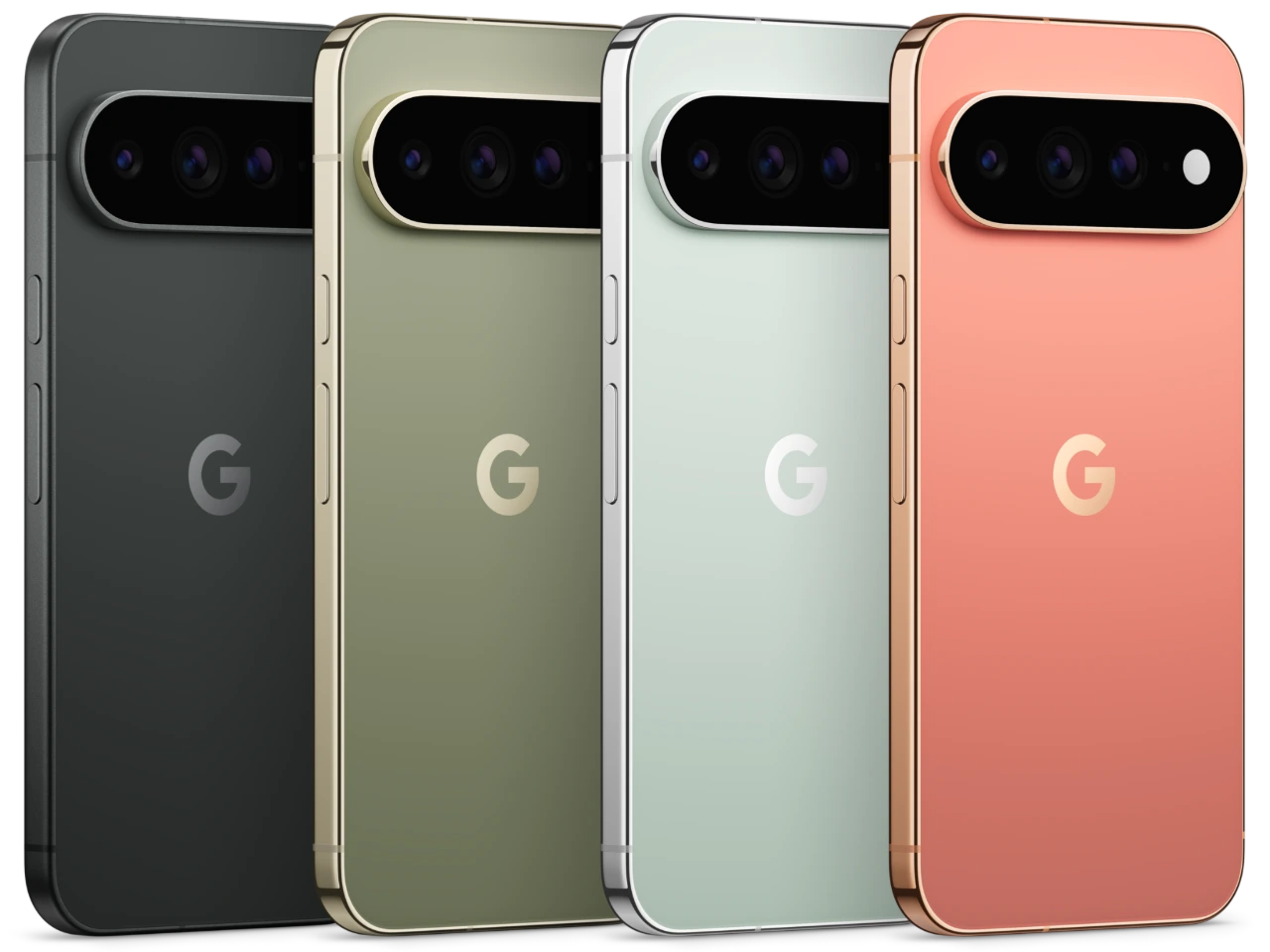
Google Pixel 11 Pro XL in Obsidian, Olive, Fog and Canyon.
The regular Pixel 11 may be the real winner
The first thing you’ll notice is that the 128GB models are now gone. The Pixel 11 starts at SGD 1,299 with 256GB of storage, which is cheaper than last year’s 256GB option. Likewise, the Pixel 11 Pro starts at SGD 1,599 for 256GB, unchanged from the equivalent Pixel 10 Pro. However, the Pro XL now starts at a higher SGD 1,819 (from SGD 1,739) for the 256GB model.
So what does the extra SGD 300 get you? The answer is, substantially better camera hardware, a higher-resolution 1–120Hz LTPO display, the brighter and tougher panel, 42MP selfie camera, UWB, Wi-Fi 7, HiLight and additional Pro camera and video features.
But the regular Pixel 11 already gets Tensor G6, 12GB RAM, 256GB storage, a dedicated 5x telephoto, 25W Pixelsnap charging and most of Google’s new AI, security, sharing and camera software. It also receives one of the larger hardware upgrades of this round through its bigger main camera sensor.
For Pixel 10 Pro owners, the Pixel 11 Pro looks more like a collection of sensible refinements than an obvious reason to upgrade. For someone buying into the Pixel 11 generation fresh, the more interesting question may be whether the regular Pixel has enough of the good stuff (for you) to keep that SGD 300 in your pocket.
Pre-orders are now open; retail availability from 20 August 2026 through Singtel, StarHub, Shopee, Lazada, Harvey Norman, Best Denki, Courts and Metapod. Google Store launch offers run through 4 September: Pixel 11 buyers can choose SGD 300 off a Pixel Watch 5 or the same amount in Store credit, while Pixel 11 Pro and Pro XL buyers get SGD 450. Eligible Pro buyers also get six months of Google AI Pro — including higher Gemini usage limits, 5TB of cloud storage and Google Health Premium — plus three months of YouTube Premium; Pixel 11 buyers get three months of YouTube Premium.
Summary of key specs
Google Pixel 11 series
| Pixel 11 | Pixel 11 Pro | Pixel 11 Pro XL | |
|---|---|---|---|
| Software | Android 17; 7 years of OS, security and Pixel Drop updates | Android 17; 7 years of OS, security and Pixel Drop updates | Android 17; 7 years of OS, security and Pixel Drop updates |
| Processor | Google Tensor G6; Titan M3 | Google Tensor G6; Titan M3 | Google Tensor G6; Titan M3 |
| Memory and storage | 12GB RAM; 256GB / 512GB | 12GB RAM (256GB); 16GB RAM (512GB / 1TB) | 12GB RAM (256GB); 16GB RAM (512GB / 1TB) |
| Display | 6.3-inch Actua OLED, 60–120Hz, up to 3,000 nits | 6.3-inch Super Actua LTPO OLED, 1–120Hz, up to 3,600 nits | 6.8-inch Super Actua LTPO OLED, 1–120Hz, up to 3,600 nits |
| Rear cameras | 48MP main (1/1.56-inch), 13MP ultrawide, 10.8MP 5x telephoto; up to 30x Super Zoom | 50MP main (1/1.3-inch), 48MP ultrawide, 48MP 5x telephoto (1/1.95-inch); up to 120x Pro Zoom | 50MP main (1/1.3-inch), 48MP ultrawide, 48MP 5x telephoto (1/1.95-inch); up to 120x Pro Zoom |
| Front camera | 10.5MP | 42MP | 42MP |
| Battery and charging | 4,985mAh; up to 55% wired in ~30 min; 25W Qi2.2 wireless | 4,850mAh; up to 55% wired in ~30 min; 25W Qi2.2 wireless | 5,115mAh; up to 75% wired in ~30 min; 25W Qi2.2 wireless |
| Dimensions and weight | 152.8 x 72.0 x 8.6mm; 196g | 152.8 x 72.0 x 8.6mm; 204g | 162.8 x 76.6 x 8.5mm; 227g |
| Connectivity | Wi-Fi 6E, Bluetooth 6, NFC, dual-band GNSS | Wi-Fi 7, Bluetooth 6, NFC, UWB, dual-band GNSS | Wi-Fi 7, Bluetooth 6, NFC, UWB, dual-band GNSS |
| Protection | IP68; Gorilla Glass Victus 2 | IP68; Gorilla Glass Victus 2 with anti-scratch shield | IP68; Gorilla Glass Victus 2 with anti-scratch shield |
| Colours | Frost, Pistachio, Hibiscus, Obsidian | Canyon, Olive, Fog, Obsidian | Canyon, Olive, Fog, Obsidian |