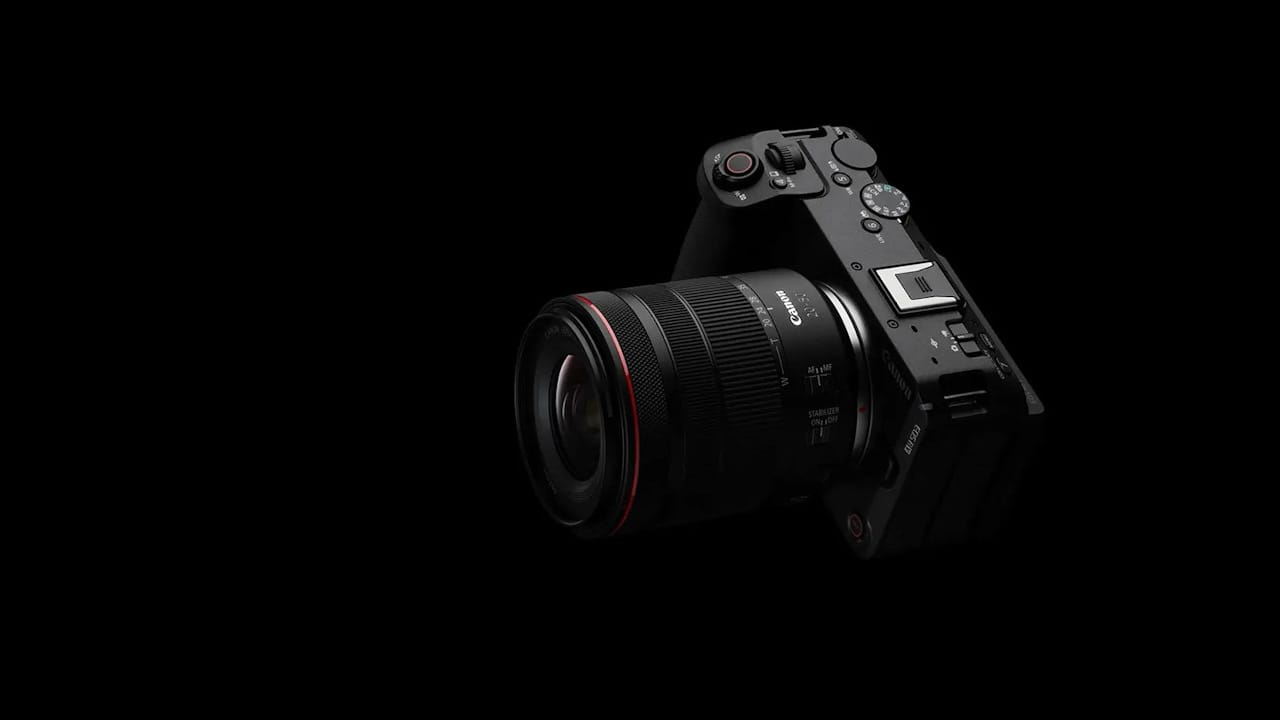
The Canon EOS R6 V is Canon’s attempt to turn the R6 formula into something more convincingly built for video. Like the EOS R6 Mark III, the EOS R6 V uses a full-frame CMOS sensor with up to 32.5 effective megapixels.
However, it’s built around a different priority stack: 7K Open Gate RAW/MP4 recording, active cooling, vertical-friendly handling, a front recording button and a tally lamp. Canon also announced the complementary RF20-50mm f/4L IS USM PZ, a new full-frame RF lens with built-in power zoom for controlled video movement.
The question, of course, is whether those gains are enough to justify what has been traded away.
Why Open Gate and cooling matter
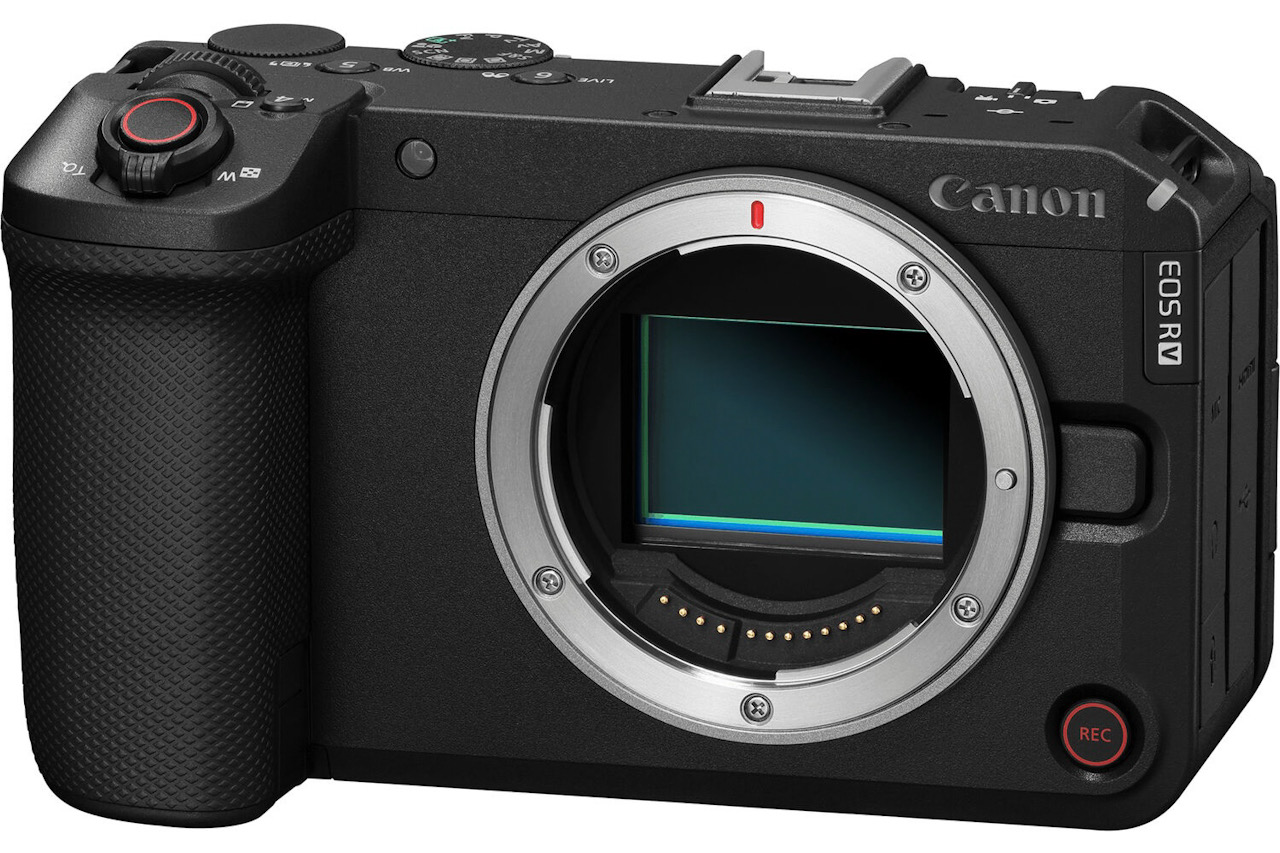 The headline video feature here is 7K Open Gate recording. Instead of recording only a standard horizontal crop, Open Gate uses the full sensor area, giving creators more room to reframe one take for different formats later.
That is useful when the same shoot has to become a YouTube video, a vertical Reel, a TikTok crop and possibly a square social cut. Open Gate gives creators more room to make those decisions after capture, rather than forcing multiple takes for every final format.
And unlike the EOS R50 V, the EOS R6 V has a built-in cooling fan. Canon says the EOS R6 V can record 7K Open Gate MP4 for approximately three times longer than the EOS R6 Mark III, making it more suited for long interviews, event coverage and other purposes requiring extended single takes.
What else makes it video-first
Beyond Open Gate and cooling, the EOS R6 V supports 7K RAW, 7K 60p RAW Light, oversampled 4K up to 60p, uncropped 4K 120p and 2K 180p, giving creators more room for higher-resolution capture, slow motion and post-production workflows.
There is also Canon Log 2/3, which gives users more room for colour grading, and Dual Pixel CMOS AF II, Canon’s subject-tracking autofocus system for people, animals and vehicles. Waveform monitor display, false colour and zebras help judge exposure, while 4-channel audio input supports shoots that need more than a simple camera-mounted mic.
Canon has also included a full-size HDMI Type-A terminal, one CFexpress Type B slot and one SD UHS-II slot, with proxy workflows supported. For creators who stream or use the camera as part of a desktop setup, the EOS R6 V also supports UVC/UAC live streaming up to 4K 60p.
What it still does for stills
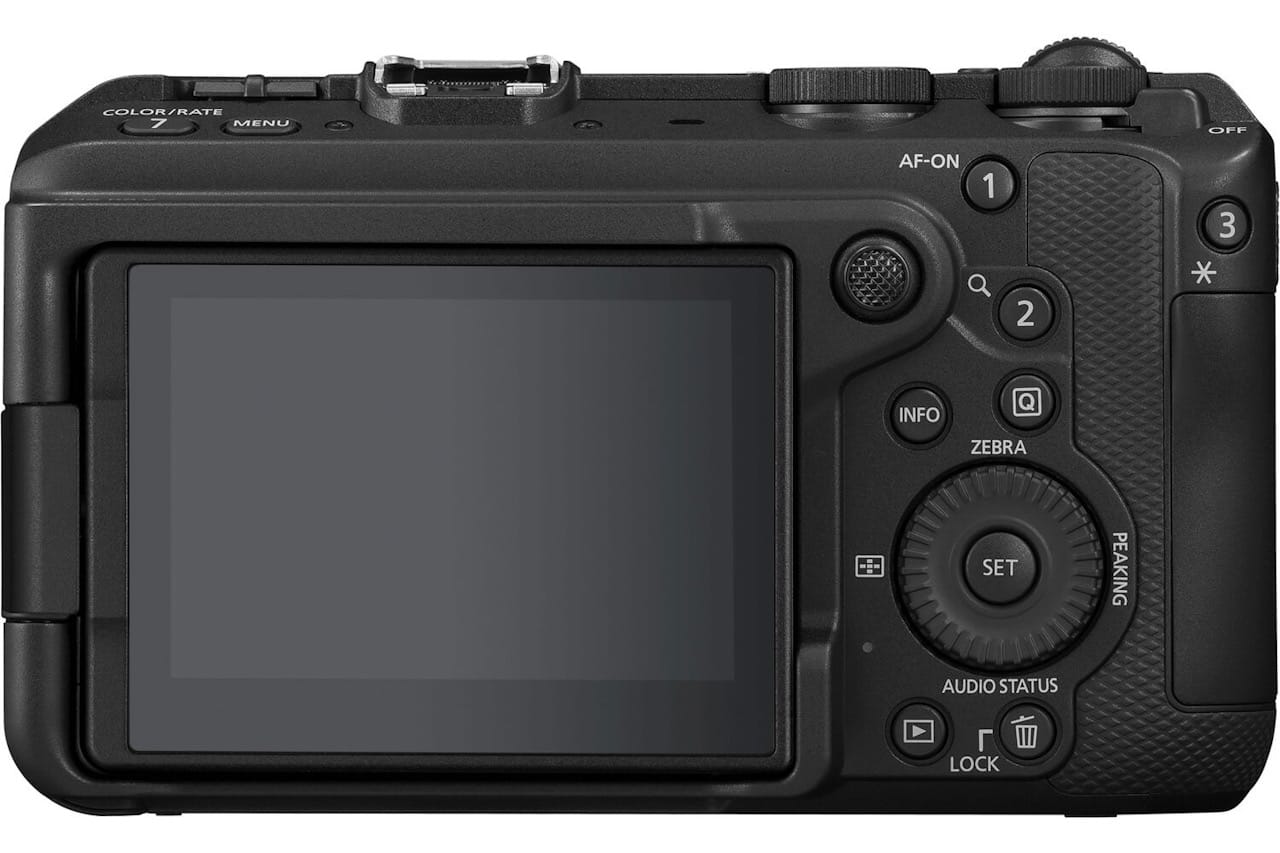 Much like the EOS R50 V, the EOS R6 V is still usable for photography. It still has a 32.5MP full-frame sensor, Dual Pixel CMOS AF II, and up to 40 fps continuous shooting with the electronic shutter, so it retains the core of what makes the EOS R6 Mark III attractive.
That said, the EOS R6 V gives up key stills-camera comforts such as the electronic viewfinder, mechanical shutter, electronic first-curtain shutter, flash sync support, and stills-first handling. Stabilisation is better on the EOS R6 Mark III as well, with up to 8.5 stops versus 7.5 stops on the EOS R6 V.
If events, portraits, flash work and general stills shooting are central to your work, the EOS R6 Mark III remains the better-balanced camera.
Where it sits in Canon’s video line-up
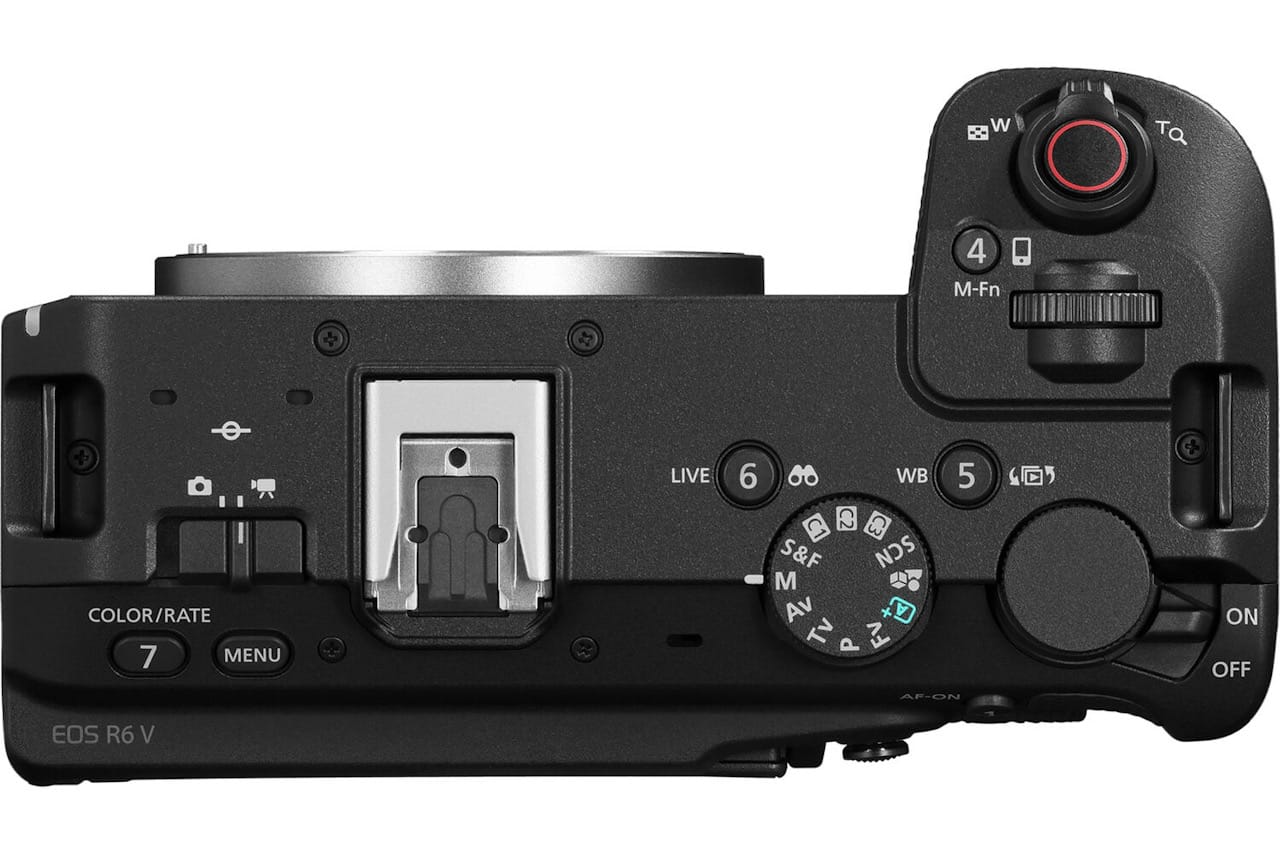 With the EOS R6 V, Canon finally has video-first alternatives for both APS-C and full-frame formats outside of the Cinema EOS line. At the lower end, the EOS R50 V carries the entry-level version: a more creator-focused mirrorless camera for users who do not need a full-frame sensor or higher-end production features.
Above them, the EOS C50 remains the more production-oriented camera, with production-facing features such as timecode support, XLR audio options and broader workflow connectivity.
What the RF20-50mm power zoom lens brings to the table
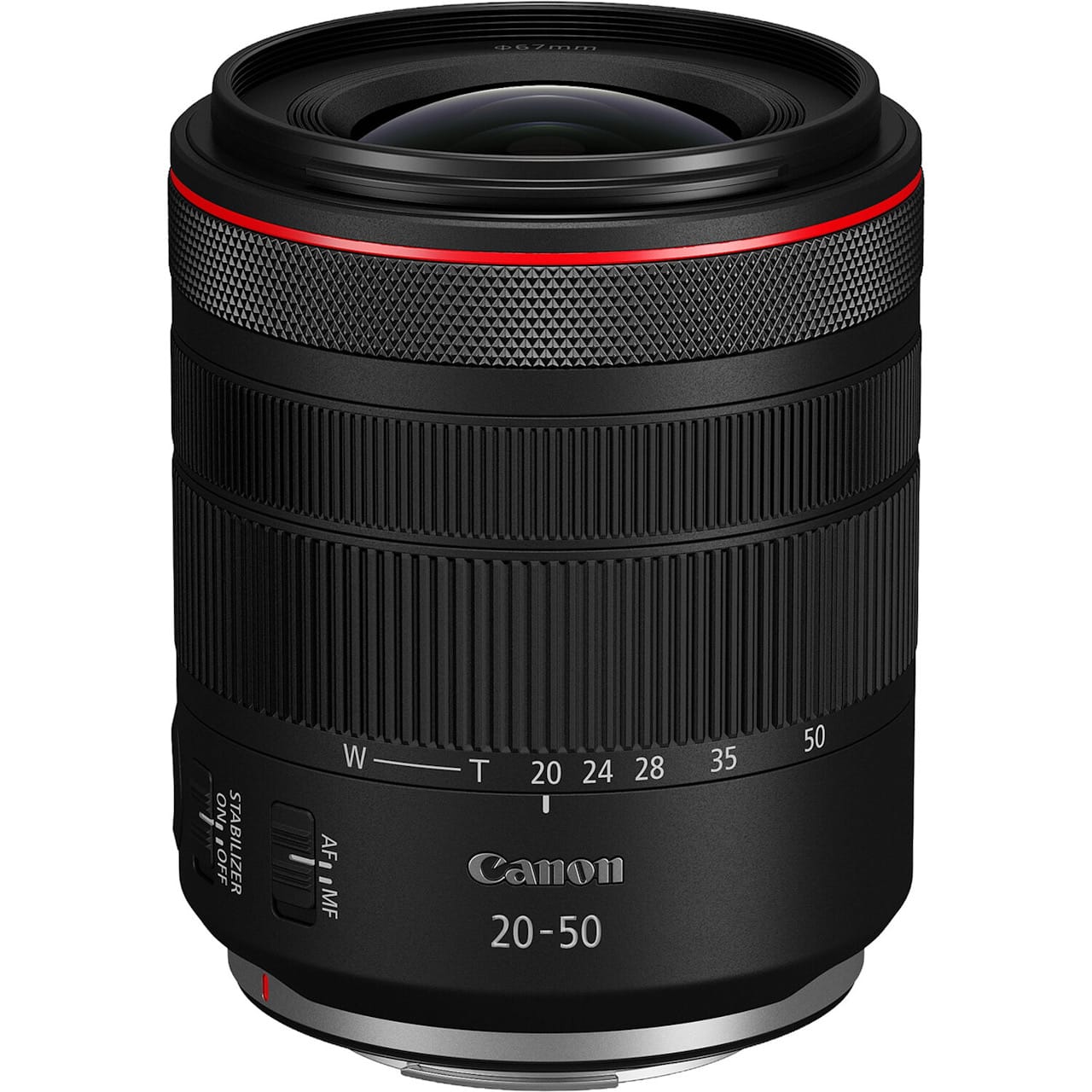 The RF20-50mm f/4L IS USM PZ is Canon’s first full-frame RF lens with integrated Power Zoom, adjustable zoom speed and a constant f/4 aperture. The 20mm-wide end makes sense for self-filming, interiors, establishing shots, and cramped spaces, while the 50mm long end is better suited to tighter conversational framing than to distant subjects.
While 20-50mm is a fairly narrow range, it covers many typical filmmaking shots, whilst offering smooth, motorised zoom and a constant aperture for consistent exposure across the focal range. Furthermore, the lens barrel does not change length as the focal length changes, so support systems and gimbals do not need rebalancing.
Price and availability in Singapore
Available in Singapore from late June 2026, the EOS R6 V body is priced at SGD 3,179, while the kit with the RF20-50mm f/4L IS USM PZ is priced at SGD 4,979. The RF20-50mm f/4L IS USM PZ lens is priced at SGD 2,119 on its own. Canon also lists the Tripod Grip HG-200TBR at SGD 179 and the Bluetooth Remote BR-E2 at SGD 79.
For creators who already shoot screen-first, work in multiple aspect ratios and care more about long-form video than a traditional stills camera experience, the R6 formula in a video-first body is a compelling option. For everyone else, the EOS R6 Mark III remains the safer R6.