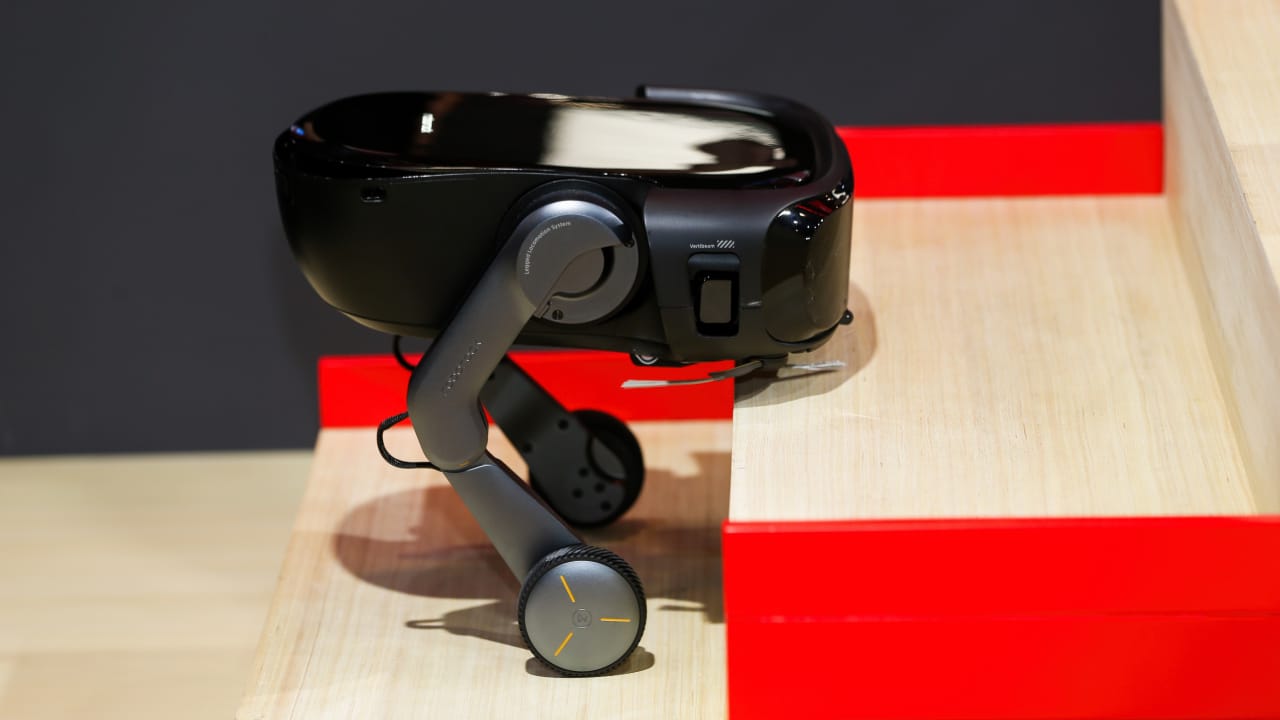
Over the past year, multiple brands have begun exploring stair-capable robots, each with a different approach to mechanically address the climb and descent. Eufy’s MarsWalker leans on crawler-style stability, Dreame’s CyberX experiments with controlled lifting mechanisms, and MOVA’s Zeus 60 takes a hybrid approach.
At CES 2026, Roborock claimed the world’s first robot vacuum to use wheel-leg architecture to both climb and clean stairs. The Rover is Roborock’s attempt at a more dynamic approach to stair mobility, combining rolling wheels with articulated legs that lift and rebalance the robot as terrain changes. If anything, that ambition makes it the most visually striking of the bunch.
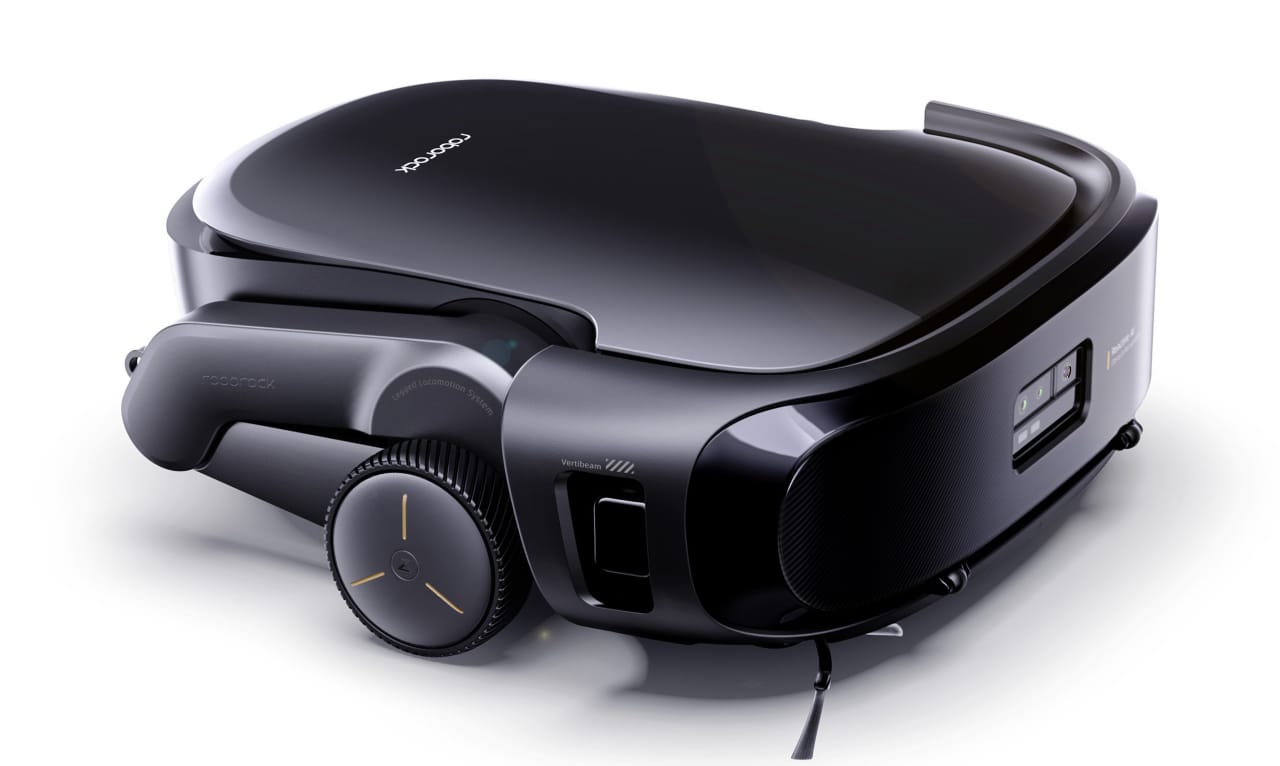 However, while all these represent the next big step towards fully hands-off home cleaning, none are currently commercially available, and real-world reliability remains a question mark. But if it’s any comfort, what’s coming out these days gets pretty close, short of stair-climbing. Case in point: Roborock’s actual consumer launches — the Saros 20 and Saros 20 Sonic.
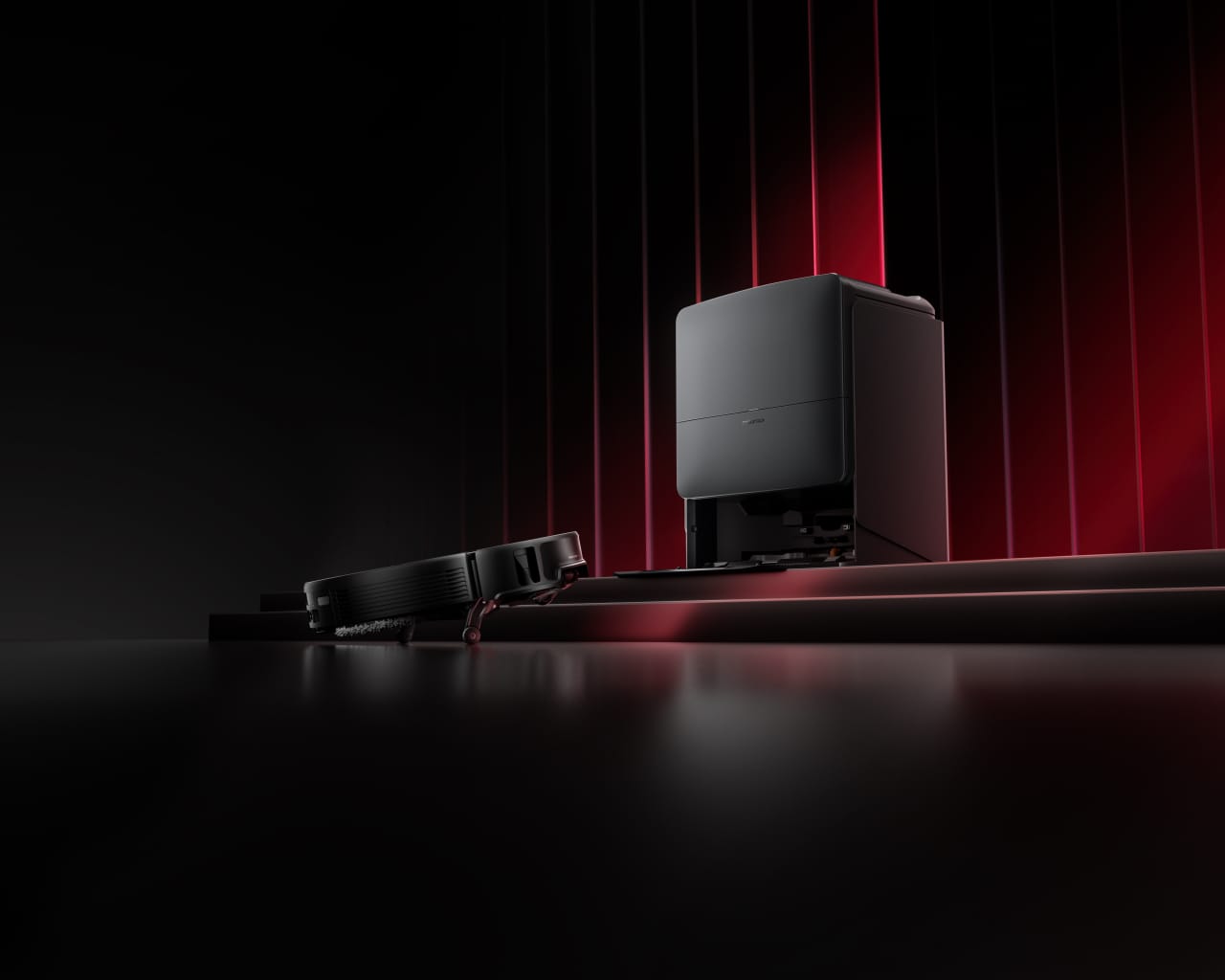 Instead of tackling stairs outright, the Saros range focuses on the everyday obstacles most homes face. The Saros 20 introduces the AdaptiLift Chassis 3.0, allowing the robot to intelligently raise and lower itself to cross complex double-layer thresholds (4cm + 4.5cm) and adapt to carpets up to 3 cm thick, maintaining suction and brush contact without manual rescue. It’s paired with a 35,000 Pa HyperForce motor, dual anti-tangle brush design, and an upgraded RockDock that handles hot-water mop washing, warm-air drying, and extended hands-free maintenance.
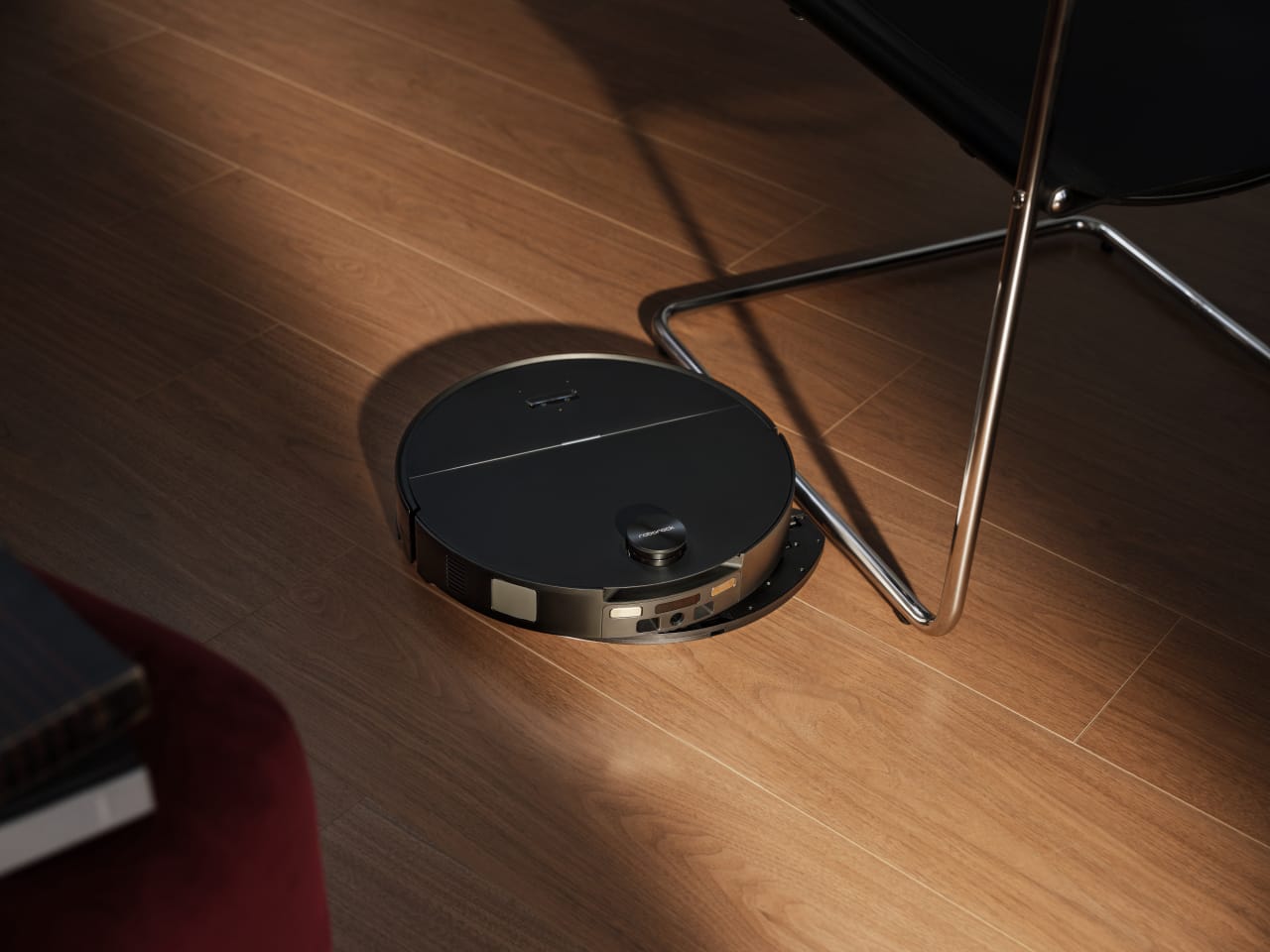 The Saros 20 Sonic builds on that foundation with Roborock’s VibraRise 5.0 extendable sonic mop, scrubbing at up to 4,000 vibrations per minute while physically extending to reach baseboards — closing the edge gaps that most round robots still leave behind. Its RetractSense navigation system with rear cameras also enables an ultra-slim body that cleans under low furniture without sacrificing mapping accuracy.
Both models can free themselves from common traps, but the positioning is clear: one model is about getting everywhere, the other about doing a better job once it gets there. The Saros 20 targets homes with complex layouts and frequent transitions, where navigation, thresholds, and recovery are the daily pain points. Meanwhile, Saros 20 Sonic is aimed at homes where the layout is more stable, making it possible to really put in a shift with a mopping system that boasts better edge coverage.
For now, Roborock isn’t putting numbers on either model, with pricing and regional availability for both Saros 20 variants to be announced closer to their 2026 rollout. Understandably, no clear rollout date yet for the Rover, but there’s no point in rushing the development of what is an extremely complicated and demanding mechanical process. Either way, while stair-climbing remains the long game, the Saros 20 and Saros 20 Sonic are what near–hands-off cleaning looks like right now — minus the show-floor theatrics.
