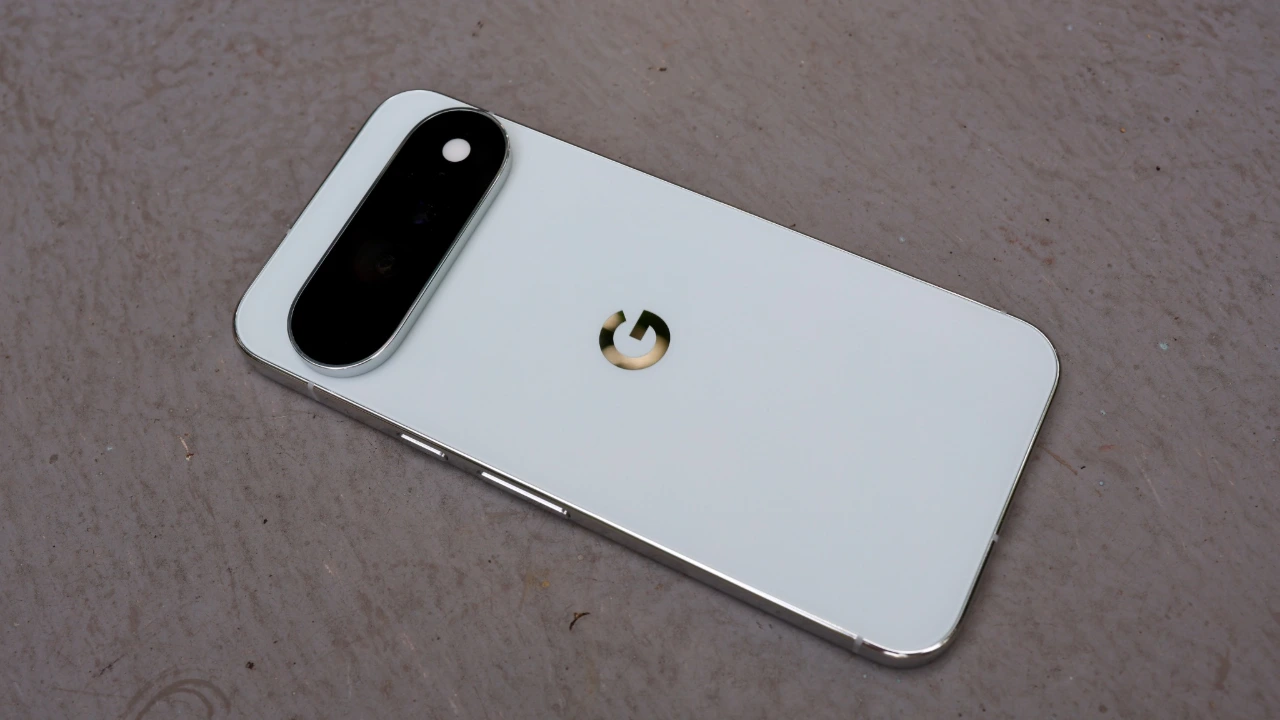
Google Pixel 11 Pro XL
At a glance
Quick take
Google's premium Pixel, built around polished everyday software, computational photography and a growing layer of proactive AI features.
People who value Google's keep-it-simple camera and quality-of-life features as well as deeper AI integration over hardware specs.
Buyers prioritising maximum hardware value, raw gaming performance or a phone that justifies its price through specs.
Score
Key specs
- Chip Google Tensor G6
- Memory 12GB RAM on the 256GB model
- Battery 5,115mAh
- Display Up to 3,600 nits peak brightness
- Telephoto 5x optical; up to 120x computational zoom
- Wireless charging 25W Qi2.2
The Pixel Pro has long since left its days as a competitively priced flagship alternative, but the new Pixel 11 Pro XL hits a new high of SGD 1,819 in Singapore, up from SGD 1,739 last year. With phones competing aggressively on the hardware front, is the software- and experience-led Pixel doing enough?
That doesn’t mean there aren’t any hardware upgrades. The telephoto gets a much larger 1/1.95-inch sensor, up from 1/2.51-inch; the display is brighter at up to 3,600 nits versus 3,300 nits; wired charging is slightly faster; and the Tensor G6 brings a 50 per cent more powerful TPU for AI workloads, along with better CPU efficiency.
But none of these feels generationally game-changing, especially when the battery is slightly smaller at 5,115mAh versus 5,200mAh, and the base 256GB model drops from 16GB to 12GB of RAM.
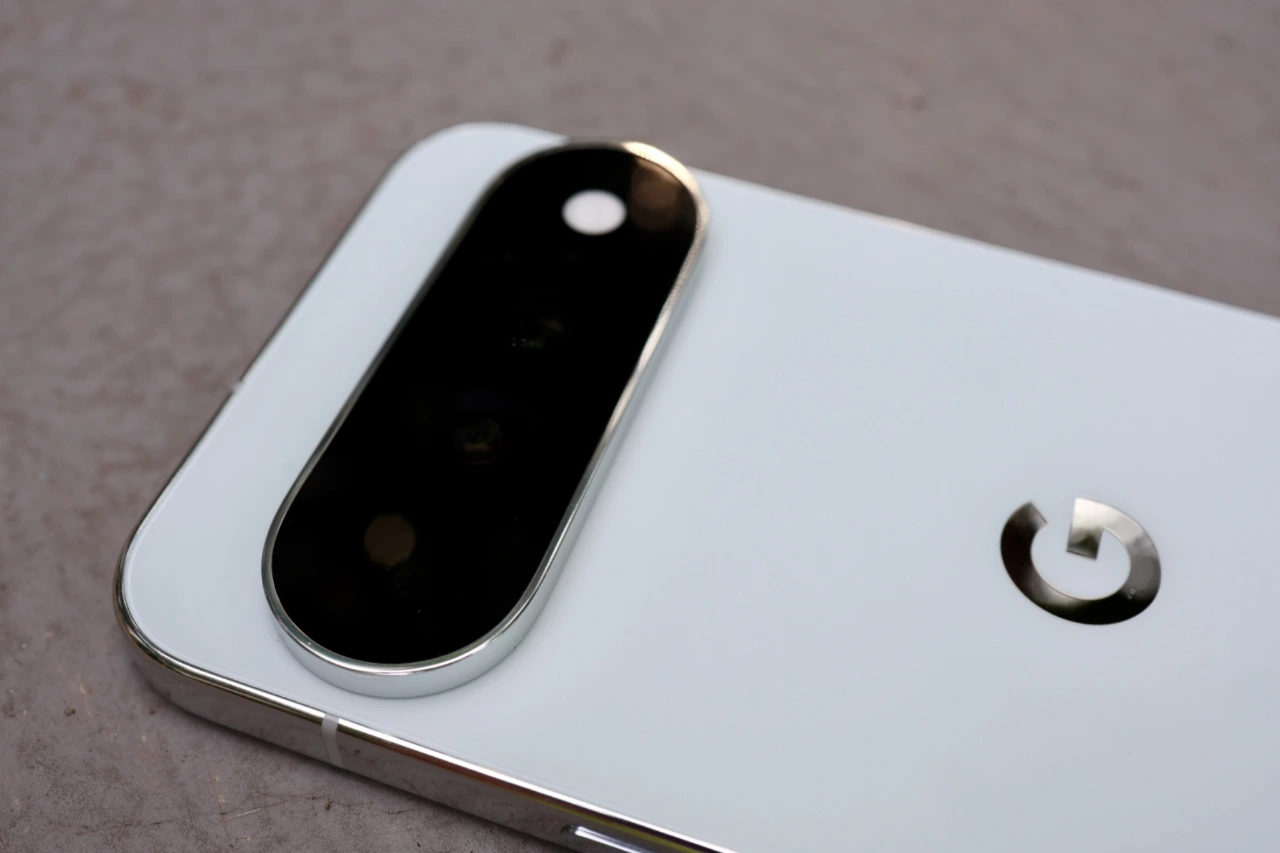
The camera bar still dominates the rear; the main camera-hardware change is a larger sensor behind the 5x telephoto camera.
Google’s software approach also used to be easier to explain. Pixels could get more out of relatively conventional hardware through computational photography and smart quality-of-life features. Now that everyone is adding AI-driven assists to their phones, with varying levels of success and integration, Google’s USP doesn’t look quite as striking on paper.
So we’re here to find out whether quietly improving background performance, making familiar tasks easier, and introducing new ways to use AI are enough. Does the everyday experience justify premium pricing even if you barely use the more ambitious AI features?
The Pixel baseline remains strong
First, the background stuff. Google has always been good at getting more out of its hardware than the specifications alone suggest, and that continues with the Pixel 11 Pro XL. Camera processing remains dependable, with generally good exposure, colour and skin tones even in difficult lighting, while Instant Night Sight is considerably faster than before.
Battery efficiency has also improved, and Tensor G6 delivers smooth everyday performance, even though it isn’t built to compete with the best flagship chips in raw CPU and GPU benchmarks. So unless you’re trying to play graphically demanding games, you’ll generally be fine. Battery life ranges from a full day to a day and a half.
Wired charging is a little quicker, reaching 70 per cent in about 30 minutes. Wireless charging remains at 25W, although the newer phone moves from Qi2 to Qi2.2 certification. One catch with wired charging: you need a charger that supports the required 21V PPS profile for maximum speed.
Quality-of-life features include Clear Calling, which reduces background noise during calls (including what you hear from the caller); scam detection and Call Screen, which operate largely in the background; and Now Playing, which identifies music without requiring a search.
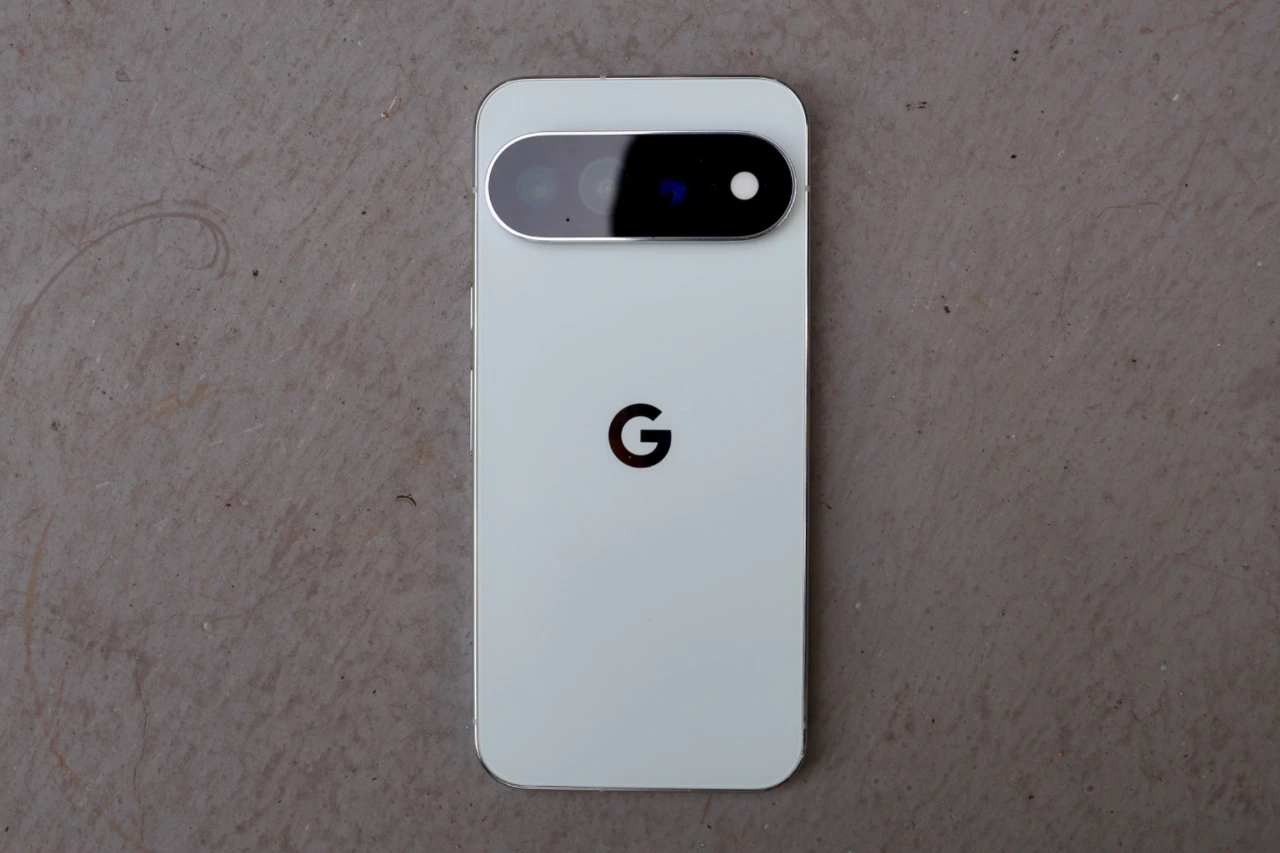
Much of the Pixel 11 Pro XL’s value is harder to see than its hardware: efficiency, image processing and software integration do much of the work.
The strongest additions are intuitive features
Next, we look at software features you’re most likely to use because they’re naturally embedded into the process.
Magic Capture is a good example. Instead of deciding whether to photograph or record a moment, you capture video, and the phone automatically picks out and processes still frames it thinks are worth keeping. It is low effort and generally works well with people and spontaneous expressions when the scene is relatively simple and the subject is easy to track. It is less dependable with fast or chaotic action, but that’s to be expected.
For those who want more control over how their photos look, Camera Looks lets you control Google’s processing at capture rather than simply applying a filter to the finished result. You can adjust contrast, highlights, shadows, warmth, sharpness and other parameters or simply swipe through presets and see their effects in real time.
Older features such as Best Take and Add Me address another common problem: group photographs. Their appeal is straightforward because they solve relatable problems intuitively without need for technical skill.
Even the improved zoom system is largely software. A 120x zoom is eye-catching given that the actual lens is just a 5x optical telephoto, and yet the results can be surprisingly decent under the right conditions. This is largely thanks to the larger telephoto sensor, but at extreme zoom, the phone relies heavily on computational reconstruction.
However, this means that you have to be mindful of your composition: buildings, foliage and predictable shapes can look somewhat convincing at max range, but fine lettering will give away the fact that it’s been processed with AI — distant signs and licence plates will likely show plausible-looking but incorrect characters.
This feature is more useful at less extreme magnifications. Even 30x to 50x can produce surprisingly usable photos that blur the line between optical and digital well enough for social media.

The 5x telephoto camera feeds Google’s Pro Zoom system, which extends computational zoom to 120x.
Circle to Search is another mature example demonstrating this integration. You can highlight text, images or other content directly on screen and search without first saving, copying or switching apps. In practice, it’s nearly seamless. However, it is worth remembering you are also sharing your usage information with the service provider.
None of these requires you to substantially change how you use your phone; you were already taking a photograph, recording a video, zooming in or searching for trending news. And that’s the most important part of the Pixel proposition.
The more ambitious AI features require buy-in
On top of that, Google is increasingly presenting the Pixel as a phone that understands context, anticipates users’ needs, and can take a more active role in completing tasks.
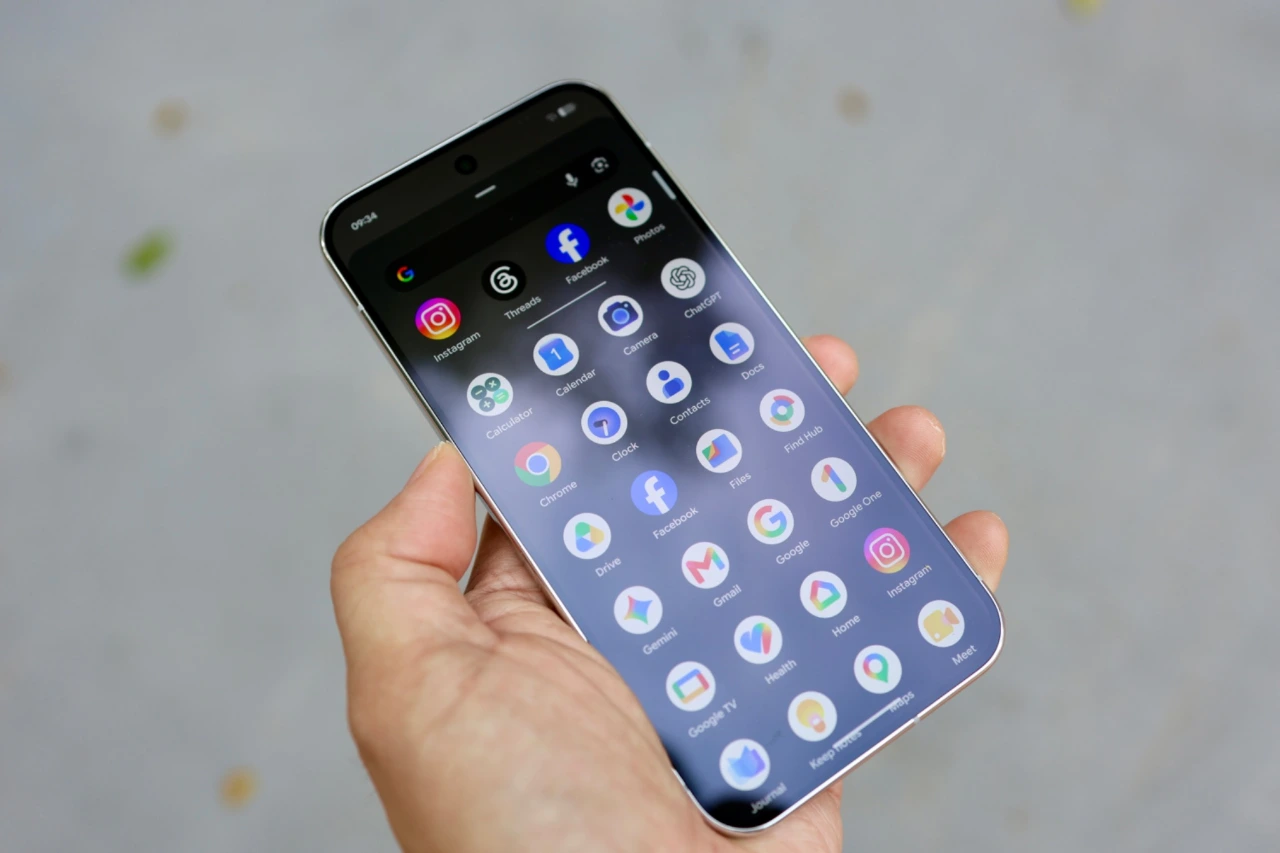
Google’s case for the Pixel 11 Pro XL increasingly depends on software that sits across everyday Android use rather than one headline hardware feature.
Proactive Assistance uses information from your screen, notifications, location and apps you choose to connect to surface information before you go looking for it. In Singapore, it is officially supported in English on the Pixel 11 series.
Provided you are comfortable giving it access to your information, the idea is compelling when it works — and it does best in supported apps like Google Messages, Gmail, Calendar, Contacts and other connected Google services. While it works with other third-party apps and services, it can be inconsistent.
Without overexplaining, issues arise from identifying ‘actionables’ and contextual ambiguity. If there’s doubt, Proactive Assistance won’t ask you to clarify; it just won’t take action. The feature will mature over time, but for now I feel some people will benefit more than others — your mileage may vary, as they say.
Also, the more sources you let it use, the more useful it becomes — this fundamentally changes your relationship with the phone. Arguably, this seamlessness is the end goal. But not everyone may be comfortable with the level of ‘access’ you’re giving a bot.
Rambler is probably the best new feature that many owners may never think to use. As the name suggests, you can ramble, stammer, correct yourself, and change direction while speaking, but the tool strips away hesitations and distractions for a cleaner transcript.
That makes voice input considerably more viable for people who think aloud, dictate messages or take notes on the move. It is also one of the few new AI features that could change behaviour.
Camera Coach has a more specific job. It analyses a scene and suggests framing, composition, zoom, lighting and shooting techniques, then walks you through the steps. It requires an internet connection and currently works only with the rear camera in the standard Camera, Portrait and Night Sight modes.
It is most useful for someone who wants to take better photographs but has no experience; at the same time, it is far from completely idiot-proof or seamless, and there’s a practical limit to how many useful suggestions it can produce. If a scene genuinely has no merit, it cannot tell you, for example, that your options are limited in that context and guide you through alternatives.
Polish vs value
For now, Google’s reliance on software over headline hardware still works. While the Pixel series is no longer the sleeper value champ, the Pixel 11 Pro XL is probably Google’s most polished Pixel to date.
The acid test is whether you would pay SGD 1,819 (SGD 1,999 for the tested spec of 16GB RAM and 512GB storage) for its quality-of-life premise: a host of low-key improvements that make everyday use better. Google is asking that price while putting more emphasis on its most ambitious AI features, but that is not for everyone.
If you consider only the features people are most likely to use, it becomes a borderline case — a little like trying to explain back then why an iPhone was good when it didn’t necessarily have the longest feature list. And yet, that is probably the fairest way to look at the Pixel 11 Pro XL: it doesn’t need ambitious AI features to be good, but it needs you need to appreciate its simplicity to pay for it.
Verdict
Polish over headline hardware
The Pixel 11 Pro XL is Google's most polished Pixel to date, and its quality-of-life software remains its strongest argument. At SGD 1,819, however, the value proposition is borderline if its more ambitious AI features don't fit your purpose.
- Pros Polished everyday experience, dependable camera, dependable camera
- Caveats Premium price for modest hardware, ambitious AI features are audience-specific